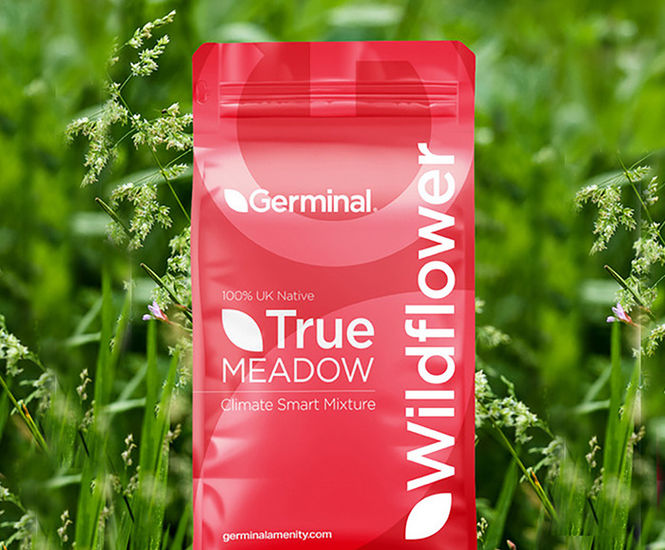
RE11 is a mixture of wild grasses for sowing heathland areas and replicates a U13 National Vegetation Classification: poor fertility soils; for a natural grassland look; reclamation sites; as a combination mixture with other wild flora. 10.0% Browntop Bent (Agrostis capillaris) 7.5% Wavy Hair Grass (Deschampsia flexuosa) 50.0% Sheeps Fescue
RE11is a mixture of wild grasses for sowing heathland areas and replicates a U13 National Vegetation Classification.
Applications
Poor fertility soils
For a natural grassland look
Reclamation sites
As a combination mixture with other wild flora
Mixture
10.0%
Browntop Bent
(Agrostis capillaris)
7.5%
Wavy Hair Grass
(Deschampsia flexuosa)
50.0%
Sheeps Fescue
(Festuca ovina)
25.0%
Slender Creeping Red Fescue
(Festuca rubra litoralis)
7.5%
Tufted Hair Grass
(Deschampsia caespitosa)
Usage guide
Sowing Rate
5 g/m2
Sowing Time
March - October
Sowing Depth
10 mm
Sowing Instructions
Create a fine friable seedbed down to 150 mm in depth. Carry out two equal sowings at right angles to each other and diagonally to main axis. Broadcast manually or use seed drill, rake level and roll. Ensure good seed to soil contact.
Maintenance
Autumn Sown
Year One
First cut early July, then monthly during August, September and October.
Cutting height 70 -100 mm.
Thereafter
Cut from mid-July to early September. This can be done as one cut but preferably, and if the meadow is big enough, you will cut it in sections leaving a week to a fortnight between cuts. Ensure you collect the arisings. If the meadow is large enough, consider allowing up to a fifth to stand uncut through the winter and cut down and remove the clippings in March the following year, this will provide a habitat for invertebrates and some vertebrates over the winter. Rotate this area so a different section is left uncut each year. This more closely replicates the grazing of animals which would leave some small areas not grazed.
If possible, and with the obvious exception of areas you are leaving uncut, lightly mow the sward down to 70 -100 mm as required throughout the winter months until March and collect the clippings.
Spring sown
Year One
First cut mid-September - 1st October, then monthly during August September and October.
Cutting height 70 -100 mm.
Thereafter
Cut from mid-July to early September. This can be done as one cut but preferably, and if the meadow is big enough, you will cut it in sections leaving a week to a fortnight between cuts. Ensure you colelct the arisings. If the meadow is large enough, consider allowing up to a fifth to stand uncut through the winter and cut down and remove the clippings in March the following year, this will provide a habitat for invertebrates and some vertebrates over the winter. Rotate this area so a different section is left uncut each year. This more closely replicates the grazing of animals which would leave some small areas not grazed.
If possible, and with the obvious exception of areas you are leaving uncut, lightly mow the sward down to 70 -100 mm as required throughout the winter months until March and collect the clippings.