
- Form
- Seeds
- Suitability
- Clay soils
- Meadows
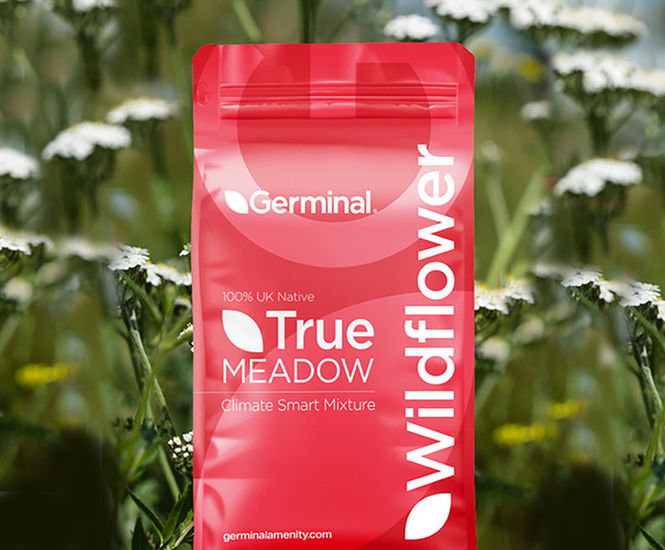
RE1 is a grassland and wildflower mix that mimics traditional hay meadows, suitable for long-term grazing management. In the initial seasons, cutting may be needed to establish the sward and prevent poaching. In late summer, leave up to one-third uncut for overwintering invertebrates, rotating the area each year.
Applications
Heavy clay soils
Road verges
Embankments
Quarry areas
Lowland areas
To encourage insects and birds
Mixture
1.1% |
Yarrow |
(Achillea millefolium) |
1.0% |
Common Sorrel |
(Rumex acetosa) |
0.1% |
Lady's Bedstraw |
(Gallium verum) |
1.4% |
Oxeye Daisy |
(Leucanthemum vulgare) |
3.1% |
Ribwort Plantain |
(Plantago lanceolata) |
0.8% |
Agrimony |
(Agrimonia eupatorium) |
1.0% |
Self Heal |
(Prunella vulgaris) |
0.2% |
Meadow Sweet |
(Filipendula ulmaria) |
2.0% |
Salad Burnet |
(Sanguisorba minor) |
1.0% |
Birdsfoot Trefoil |
(Lotus corniculatus) |
2.0% |
White Clover |
(Trifolium repens) |
2.0% |
Red Clover |
(Trifolium pratense) |
0.5% |
Yellow Rattle |
(Rhinanthus minor) |
0.2% |
Burnett Saxifrage |
(Pimpinella saxifraga) |
0.3% |
Greater Knapweed |
(Centaurea scabiosa) |
0.3% |
Dandelion |
(Taraxacum officinale) |
3.0% |
Common Knapweed |
(Centaurea nigra) |
30.0% |
Strong Creeping Red Fescue |
(Festuca rubra rubra) |
25.0% |
Crested Dogstail |
(Cynosurus cristatus) |
5.0% |
Golden Oat Grass |
(Trisetum flavescens) |
5.0% |
Meadow Fescue |
(Festuca pratensis) |
6.5% |
Sheeps Fescue |
(Festuca ovina) |
3.5% |
Browntop Bent |
(Agrostis capillaris) |
5.0% |
Quaking Grass |
(Briza media) |
Usage guide
Sowing Rate |
5 g/m2 |
||||||||||||
|---|---|---|---|---|---|---|---|---|---|---|---|---|---|
Sowing Time |
March - October |
||||||||||||
Sowing Depth |
10 mm |
||||||||||||
Sowing Instructions |
Create a fine friable seedbed down to 150 mm in depth. Carry out two equal sowings at right angles to each other and diagonally to main axis. Broadcast manually or use seed drill, rake level and roll. Ensure good seed to soil contact. |
||||||||||||
Maintenance |
|
||||||||||||