The end of January saw the highway code change with the main objective to enhance the safety of all road users, particularly those most at risk.
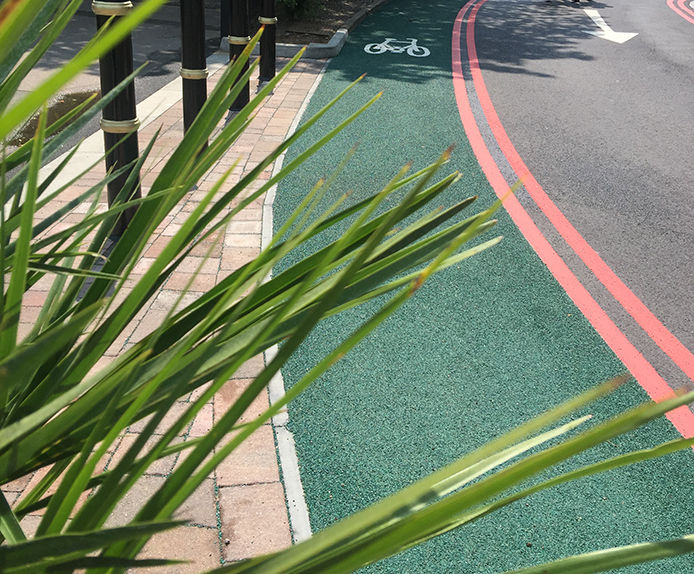
Leicester University Cycle Lane
The most fundamental change has been the introduction of a road user hierarchy where those users who are most at risk are placed at the top of the hierarchy. This means that the heavier or faster the vehicle the more responsibility the driver of those vehicles has to pedestrians, cyclists and horse riders.
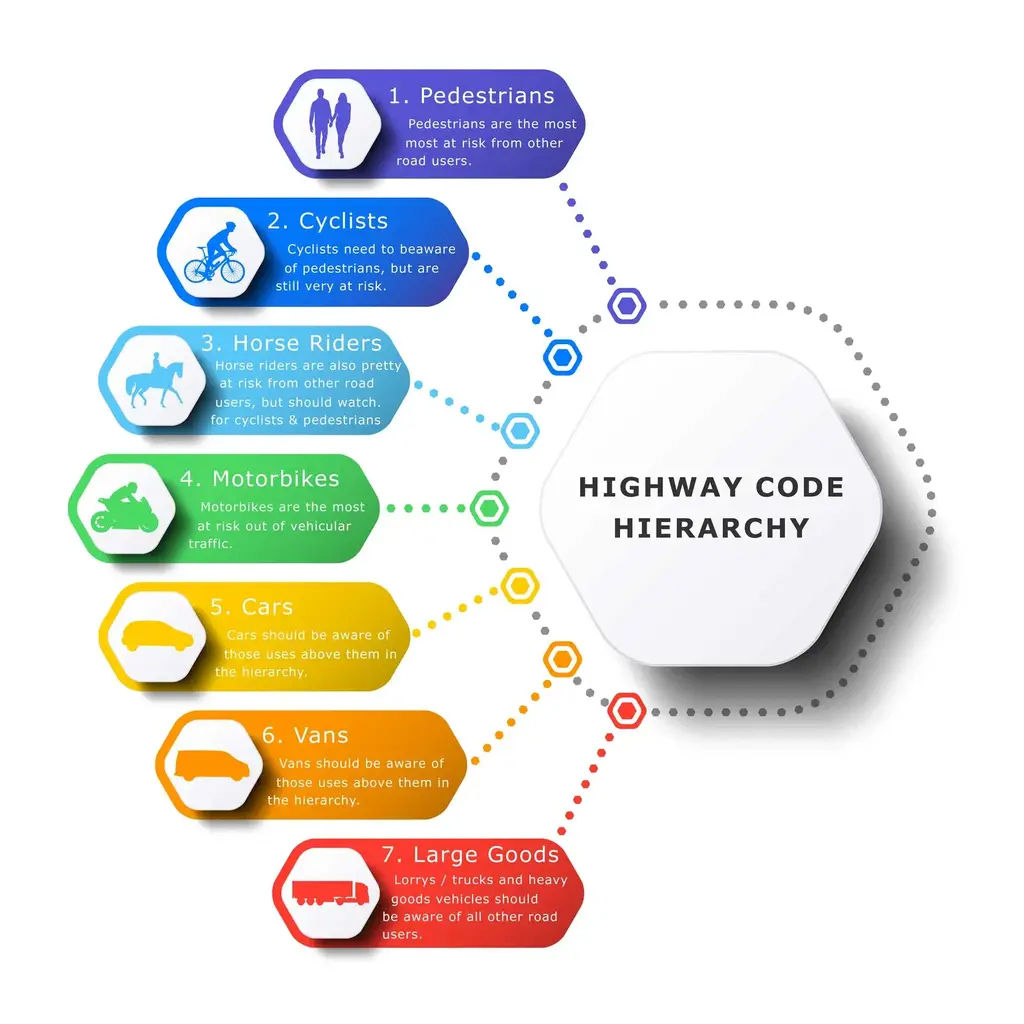
Highway code: new hierarchy of road users
BUT WHAT DO THESE CHANGES MEAN FOR LOCAL AUTHORITIES?
Local authorities are the main delivery agents for road safety and should take steps to reduce and prevent accidents. The question is, what should local authorities be doing to align with the new highway code? How can they help ensure the safety of pedestrians and cyclists, especially cyclists) in busy city centre locations?
IS THE ANSWER CYCLE LANES OR CYCLEWAYS?
In busy city centre locations, cycle lanes can offer many benefits to cyclists. With a better cycle infrastructure, not only do cyclists feel safer on the road, but it can also encourage people to cycle more often and therefore, reduce air pollution and vehicle congestion.
WHAT ARE CYCLE LANES?

Cycle lanes are designated road areas where road demarcation highlights to motorists that this space is reserved for cyclists. To make these areas more effective as a road safety feature, coloured surfacing helps to differentiate lanes and make them more visible to drivers. By having designated road space for cyclists, it provides the following benefits:
Allows cyclists to overtake on the inside of vehicle traffic
Relatively low cost
Reminds drivers that cyclists might be nearby
Road width becomes narrower, encouraging drivers to reduce road speed
Provides cyclists with more confidence to use the road, which improves individual health, reduces congestion and lowers pollution.
WHAT ARE CYCLEWAYS?
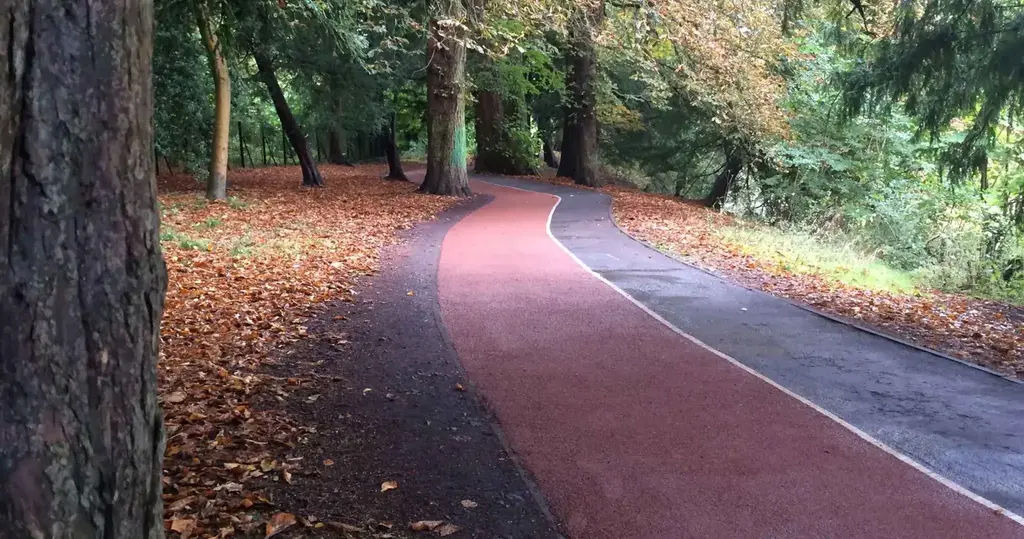
Cycleways are normally shared with pedestrians or have designated cycleways and footways clearly marked. These areas take pedestrians and cyclists away from the road and motorists in a bid to improve safety.
Again, coloured surfacing and road demarcation are effective techniques to clearly distinguish between pedestrian and cycle use.
HEALTHIER LIFESTYLE
There are many benefits of having cycle lanes in city centres and it’s not necessarily related to safety. Many local authorities are already implementing cycling strategies in a bid to improve air quality, reduce noise pollution, lessen congestion and finally, promote healthier lifestyles to the general public.
COLOURED SURFACING AND CYCLE LANES OR CYCLEWAYS
High friction coloured surfacing provides a vibrant finish to any cycle lane or cycleway. On top of this, its high friction properties reduce accidents caused by skidding on uneven surfaces, sharp bends or tight corners, particularly in wet conditions.
HMS Decorative Surfacing has over 25 years of experience installing coloured paving and is also a BBA Approved Installer for high friction surfacing. We offer a wide range of quality systems from several manufacturers to ensure you can choose the best possible system for your application.
If you are looking for some technical support, or want a member of our team to come and take a look at your site, simply contact us.