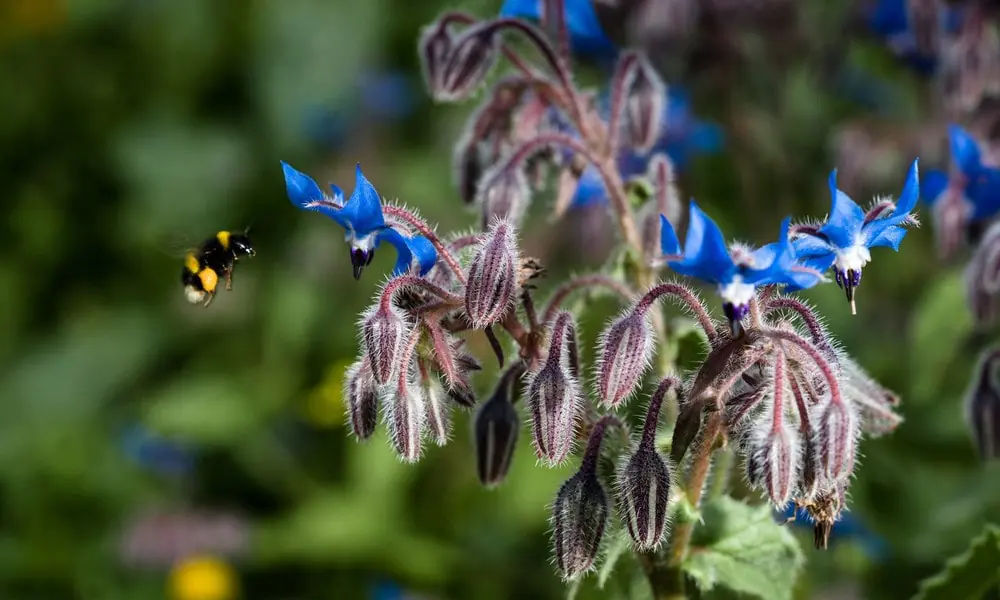
Best wildflowers for pollinators: 8 species that attract bees and butterflies
Pollinators are essential for ecosystem health, yet their populations are declining due to habitat loss and climate change.
By integrating the best wildflowers for pollinators into landscape projects, you can enhance beauty, sustainability and biodiversity.
Why wildflowers matter to pollinator health
Wildflowers provide vital food and shelter for pollinators, supporting plant reproduction and ecological balance. They also offer a cost-effective alternative to traditional turf by reducing mowing, watering and chemical use.
Planning pollinator-friendly landscapes
Follow these key principles to create thriving habitats:
Prioritise diverse, pollinator-friendly wildflowers: Adapted to local conditions, requiring less maintenance.
Ensure year-round blooms: Select species with staggered flowering periods from early spring to late autumn.
Match plants to site conditions: Consider soil type, sun exposure and water availability.
8 wildflowers for pollinators
Understanding each species’ ecological benefits and site needs ensures effective integration into your landscape projects.
Species |
Flowering |
Bloom period |
Ecological role |
Site needs |
Ideal uses |
Common Knapweed (Centaurea nigra) |
Perennial |
Early summer – autumn |
Attracts bees and butterflies; provides nectar and seeds |
Well-drained, sunny sites with poor to moderately fertile soil |
Wildflower meadows, gardens |
Oxeye Daisy (Leucanthemum vulgare) |
Perennial |
Early summer |
Dense flowers attract a variety of insects |
Full sun; adaptable but prefers moderately fertile soil |
Meadows, road verges, slopes |
Bird’s-foot Trefoil (Lotus corniculatus) |
Perennial |
Early/mid summer |
Fixes nitrogen; food source for butterfly caterpillars |
Sunny, well-drained areas with low-fertility soils |
Wildlife gardens, low-maintenance areas |
Selfheal (Prunella vulgaris) |
Perennial |
Spring - autumn |
Nectar source for bees; supports various insects |
Damp, moderately fertile soils in partial to full sun |
Lawns, shaded meadows |
Clover (Trifolium species) |
Perennial |
Spring – autumn |
Improves soil fertility through nitrogen fixation; popular with bees |
Tolerates various conditions; prefers sunny sites |
Lawns |
Cornflower (Centaurea cyanus) |
Annual |
Mid summer |
Attracts bees and butterflies; seeds feed birds |
Light, well-drained soil in full sun |
Borders, wildflower meadows |
California Poppy (Eschscholiza californica) |
Annual |
Late spring – summer |
Attracts bees and hoverflies |
Requires full sun and well-drained soils |
Roadside verges, gardens |
Corncockle (Agrostemma githago) |
Annual |
Late spring -early summer |
Provides nectar for insects |
Sunny, well-drained locations; avoids waterlogged soils |
Meadows, gardens |
For more information on the different species, visit our wildflower identification guide.
Integrating wildflowers into design
Urban settings: Use wildflowers in green roofs, rain gardens or pocket parks to bring nature to cities.
Roadside plantings: Hardy species like Common Knapweed and Selfheal thrive in challenging conditions while supporting pollinators.
Corporate and institutional grounds: Transform underutilised areas into pollinator corridors with wildflower meadows.
Residential developments: Add value with gardens or communal wildflower spaces.
Supporting pollinators through design
Layered plantings: Combine wildflowers with native grasses and shrubs to create diverse habitats.
Naturalistic aesthetics: Group plants into drifts or clusters for a cohesive yet natural look.
Pollinator corridors: Connect fragmented habitats with wildflower strips or patches to support pollinator movement.
Educational opportunities: Add signage in public projects to raise awareness about the importance of pollinators.
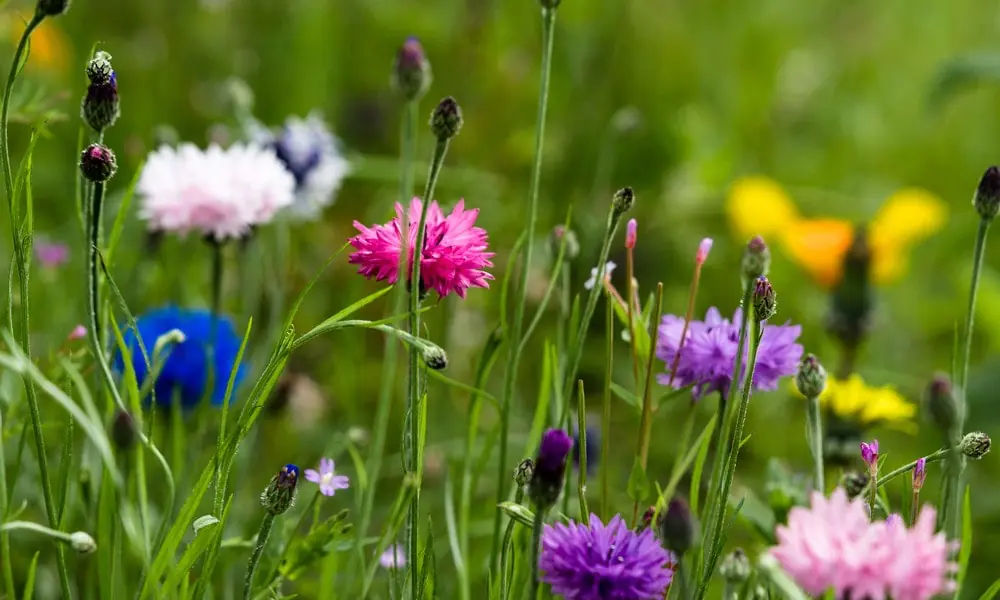
Wildflower planting contributes to Biodiversity Net Gain
Wildflowers and Biodiversity Net Gain
With Biodiversity Net Gain (BNG) now mandatory in England, developers must show measurable improvements in biodiversity. Wildflower planting contributes by:
Enhancing habitat diversity
Supporting pollinator populations
Improving ecosystem health
Learn more about implementing BNG in your projects in our Biodiversity Net Gain examples article.
Tips for establishing pollinator-friendly flowers
Site preparation: Clear competitive weeds and avoid using fertiliser as wildflowers flourish in low-nutrient soils.
Seed mix selection: Choose seed blends suited to your soil type and climate.
Sowing: Sow seeds in autumn or early spring for optimal germination. Lightly rake after sowing for good soil contact.
Maintenance: Mow once a year after seeding to encourage regrowth and remove nutrient-rich cuttings.
Climate Smart wildflower mixtures
Germinal's wildflower range offer tailored solutions for various environments.
Designed for towns and cities, these blends transform urban environments while providing vital habitat for pollinators.
For projects aimed at restoring natural habitats, our True Meadow range comprises 100% native wildflowers aligned with the UK's National Vegetation Classification (NVC). These mixtures are expertly selected to support wildlife, enhance soil health, and provide critical ecological benefits for pollinating insects.
Both ranges offer sustainable performance and are ideal for creating the pollinator-friendly landscapes.
The value of pollinator-friendly wildflowers
By incorporating wildflowers into landscape designs, you can create spaces that balance human needs with ecological resilience.
These vibrant, functional plantings enrich the visual appeal of a site while ensuring pollinators thrive - a small step with a big impact on biodiversity and environmental health.
For advice on preparing, sowing and managing, visit our wildflower guides on the knowledge hub.