How product consolidation drives sustainability and quality
Sometimes the most transformative magic happens not when we add complexity, but when we discover the sophisticated simplicity that was there all along.
What if the most time-honoured design principle isn’t adding something new, but thoughtfully taking something away?
This question has sparked a gentle revolution in how Furnitubes approach their 80-year legacy of outdoor furniture. Rather than continuously expanding offerings, they've embarked on a meticulous process of consolidation: streamlining ranges, reducing variations, and discovering that sometimes the most sophisticated solution is also the simplest one.
“The popular aphorism ‘less is more’ is a principle we have come to understand well at Furnitubes,” explains Theo Seah, Furnitubes’ junior product designer, in a nod to German designer Ludwig Mies van der Rohe.
“Our design approach to product improvement strongly correlates with minimalist design principles like simplicity and functionality, and if done well, then the clean aesthetic tends to follow.”
Eight decades of wisdom
When you’ve been crafting outdoor furniture for just under 80 years, you accumulate more than products… you gather stories, solutions, and occasionally, complexity that no longer serves its original purpose. Lauren Walls, Furnitubes’ design engineer, puts it perfectly: “Furnitubes is almost 80 years old, so we have a large volume of legacy content. When you analyse the design of these legacy ranges, it’s clear that the creators had thought a lot about ergonomics and design; however, over time, aesthetic attributes have evolved and manufacturing capabilities have progressed.”
This evolution presents both opportunity and responsibility. Each range Furnitubes revisit offers a chance to honour the thoughtful intentions of its original creators while embracing new materials, refined processes, and a deeper understanding of how people actually use these spaces.
The catalyst for change often comes from unexpected places. Take the FERN planter range, which appears elegantly simple from the outside but required what Lauren describes as “a meticulous collaborative process of design for manufacture to make it just as straightforward to produce.” Sometimes beautiful solutions demand rigorous thinking.
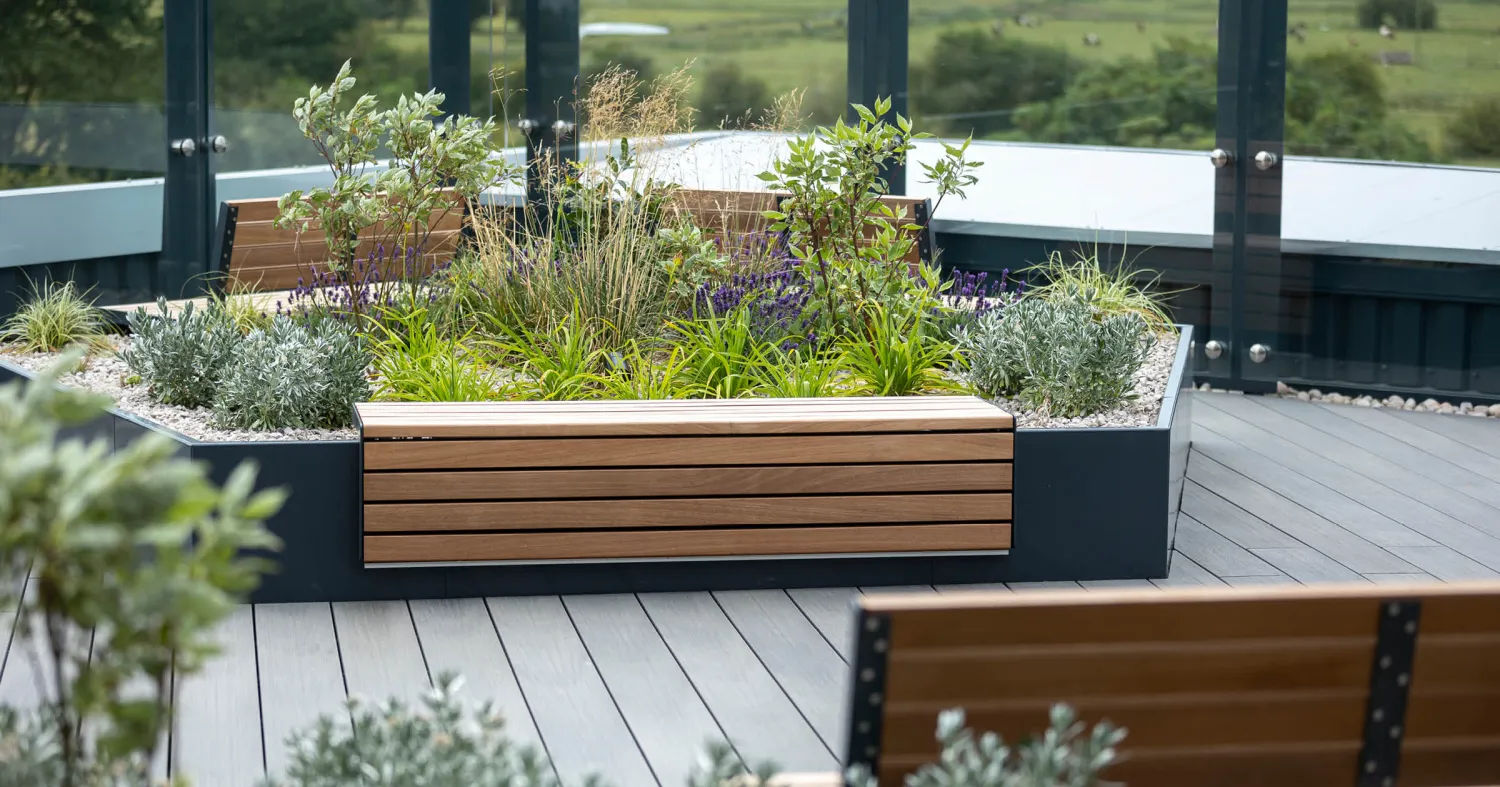
Sometimes beautiful solutions demand rigorous thinking.
Following the data
Intuition has its place in design, but when it comes to understanding which variations truly serve our communities, data tells the clearest story. “It was important to assess sales and understand what products are popular,” notes Theo.
“Sometimes it is necessary to cut certain products from ranges if they don’t serve a purpose or if we now offer a product that solves that problem better.”
Refining choices ensures that every option Furnitubes offer genuinely enhances outdoor spaces. Lauren’s team discovered that “Furnitubes’ tendency was to launch ranges that offer as many variations of a product as possible, with the idea that this would provide maximum customer satisfaction. However, we have learnt that the paradox of choice makes things trickier for both us and our customers.”
The solution? Looking at sales data as the ultimate customer feedback, then using that foundation to evaluate offerings through the lens of aesthetics, use cases, and manufacturing feasibility.
Invisible improvements
Some of the most significant breakthroughs happen behind the scenes, invisible to the end user but transformative for production. Theo shares a perfect example of the Furnitubes’ production team offering great suggestions on product improvement. “They were able to propose modifying our Elements chassis into two folded pieces, reducing welding. You can’t really spot the changes once assembled, but in terms of the production process, it saves time and work for the welders.”
These invisible improvements embody a fundamental principle of thoughtful design: the best solutions often do their work quietly, without fanfare or recognition. A simpler assembly process means more consistent quality. Fewer components mean reduced environmental impact. Clearer manufacturing drawings mean better communication and fewer errors.
Lauren’s work on the AKRI planter exemplifies this philosophy: “For the customer, the AKRI planter ranges are as straightforward as it gets, but achieving that simplicity requires a great deal of complexity behind the scenes.” The customer experiences elegance; the production team experiences efficiency. Both perspectives matter.
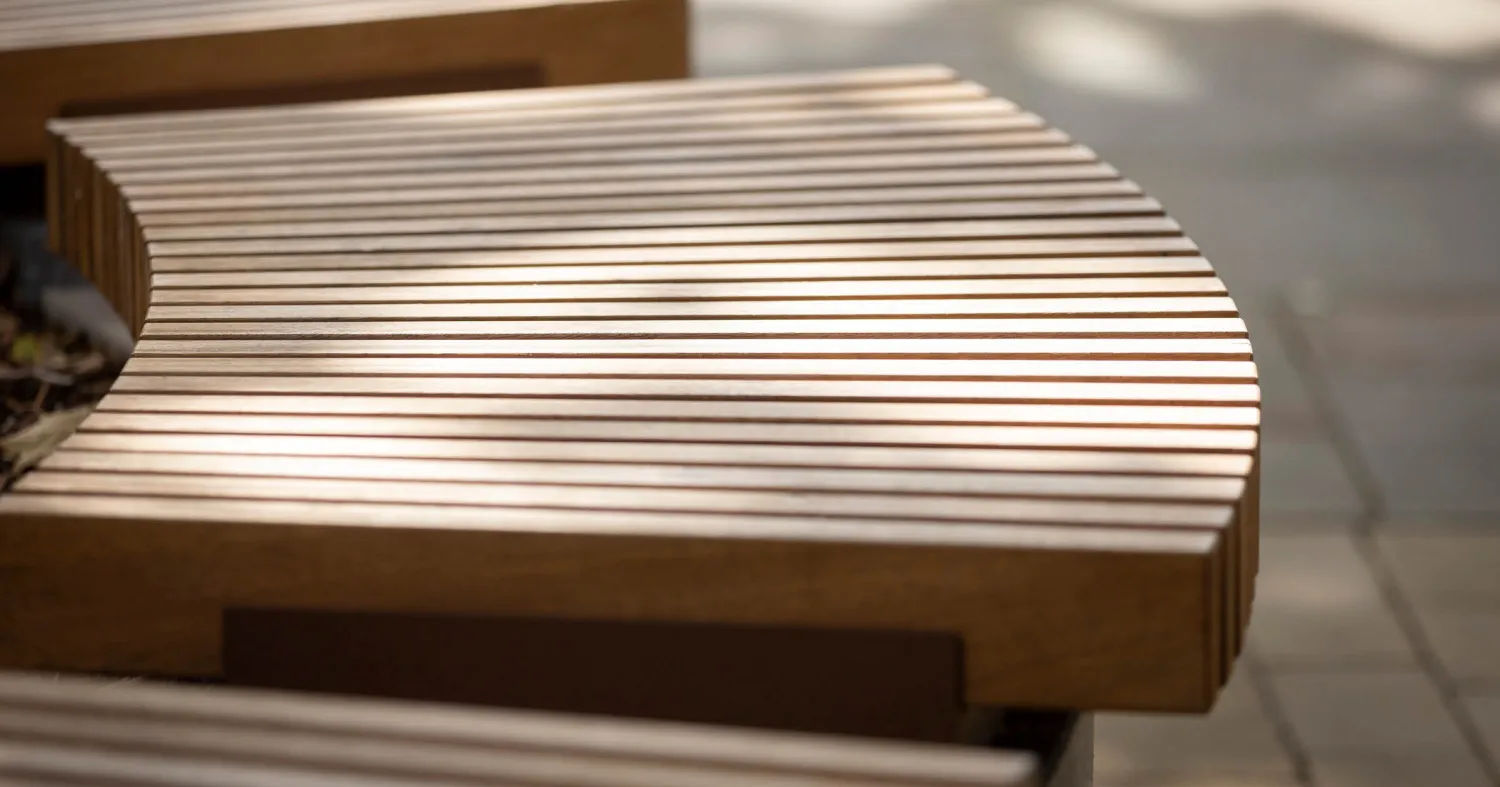
Rather than creating endless variations of similar components, intelligent modularity allows for countless combinations using fewer, more thoughtfully designed parts.
Modularity as freedom
The tension between offering choice and achieving efficiency finds resolution in modular thinking. Rather than creating endless variations of similar components, intelligent modularity allows for countless combinations using fewer, more thoughtfully designed parts.
“We have tried to offer modular ranges which allow our customers maximum flexibility, but allow us to re-use the same parts in different ways,” explains Theo. “Clever designs like our product Elements offering different legs and optional armrest and backrests can give a very different output for a client, but keep our base components the same.”
This approach echoes Lauren’s guiding principle: “Through modular design of both the product and its constituent parts, we are able to provide countless options without countless components, allowing us to maintain internal efficiency and an abundance of choice for the customer.”
Learning from masters across cultures
The inspiration for this consolidation work reaches beyond furniture design to embrace broader principles of elegant simplicity. Theo finds guidance in Japanese joinery traditions: “I have tried the craft of Japanese joinery, which helped me appreciate how the final aesthetic emerges from the techniques used in accordance with the natural qualities of the wood. While in practice products at Furnitubes require different processes, I believe we mirror this philosophy as we seek to embed a visual respect for British heritage through the materials and manufacturing techniques used to produce our products.”
This respect for materials and processes connects to our fundamental responsibility as stewards of the environment.
“If we can reduce components, reduce fixings, and reduce mistakes in production, then we are saving materials and processes,” Theo observes. “Using new, more sustainable materials and processes will also improve the environmental impact of our products.”

Respect for materials and processes connects to our fundamental responsibility as stewards of the environment.
Ripple effects
The benefits of thoughtful consolidation extend far beyond the factory floor. Lauren notes that these changes “enable orders to come in and flow through the business. To name a few tangible benefits; customers gain a full understanding of our product ranges and feel confident in the details of what they’re ordering, the production team has maximised their efficiency, and the design team no longer needs to allocate resources to that product, all of which works to reduce our impact on the environment.”
Clearer product communications mean landscape architects can specify with confidence. Streamlined production means more consistent quality and delivery times. Reduced material waste means a lighter environmental footprint. Each improvement creates positive ripples throughout the entire process.
Questions worth asking
For other designers and manufacturers considering similar approaches, Theo offers this wisdom: “It’s important to consider what the original intention was for the product. Is it still serving that purpose, and do you offer anything that might actually fulfil that brief better now? Consider whether materials, processes or manufacturing methods have changed in ways that can improve the design of the original product.”
Lauren frames it even more directly: “I think the fundamental question is ‘What purpose is this product serving?’ Between the competing market and your company’s offering, does this product serve a unique purpose? If not, then perhaps it doesn’t need consolidating but discontinuing.”
The continuing journey
This work of thoughtful consolidation continues across Furnitubes ranges. Lauren mentions that “the Arca Range has been in our sights for a while now. While this is easily one of the best-looking litter bins out there, we’ve identified multiple opportunities to improve its internal structure and consolidate the offering.”
But perhaps the most profound lesson from this consolidation work is understanding the elegance of having enough: enough choice to meet genuine needs, enough flexibility to serve diverse spaces, enough refinement to last for generations. Not more than necessary, but exactly what’s needed to transform outdoor urban spaces into realms of wellbeing.
In a world that often equates progress with addition, there’s something quietly revolutionary about the wisdom of subtraction. Sometimes the most transformative magic happens when we discover the sophisticated simplicity that was there all along.
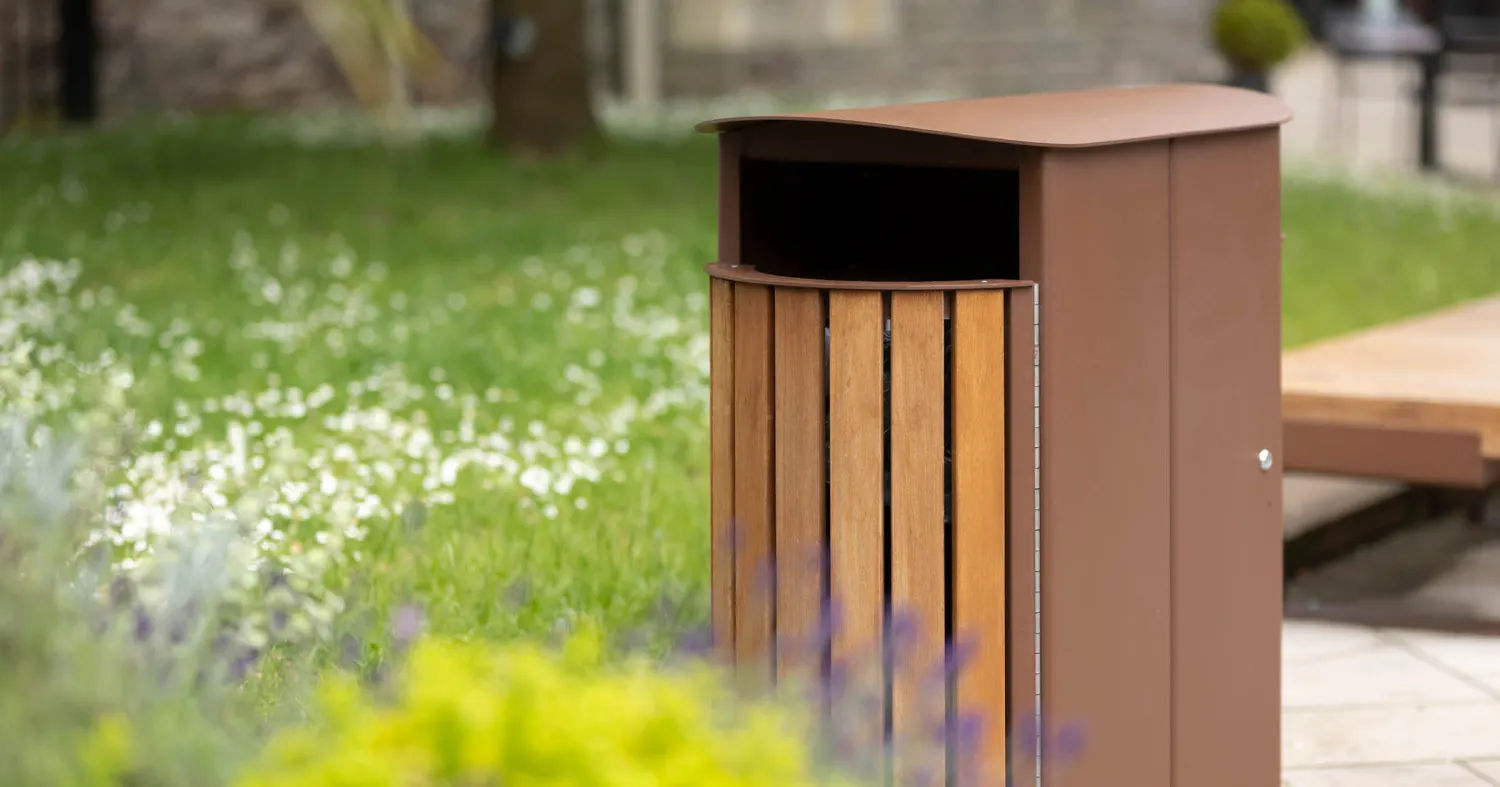
Sometimes the most transformative magic happens when we discover the sophisticated simplicity that was there all along.