There’s a beauty to art that’s completely democratised. Le Corbusier wanted his buildings to be beautiful on the outside so that those who couldn’t afford to live inside them would still benefit from their beauty. Banksy hijacked the public realm to make art a powerful statement that everyone could appreciate.
There’s a beauty to art that breaks out of the four walls of a gallery or museum. Art that breaks free, that spills into our streets, adorns the exterior of buildings, surprises us at the park, is public art and it is transforming our shared spaces into living open-air galleries that are accessible to all.
Art in all shapes and sizes
Think about the sheer variety this ‘outdoor gallery’ holds. We encounter monumental sculptures anchoring public squares, murals breathing vibrant life onto blank walls, even the playful surprise of yarn-bombed trees or cleverly placed sticker art. From intricate topiary demanding patient skill to bold, spray-painted statements (legal or otherwise), art in public spaces takes countless forms.
Sometimes it’s commissioned, carefully planned to enhance a location. Other times it’s wonderfully subversive, popping up unexpectedly. Its goal might be to make us smile, challenge our perspectives, connect us to local history, or simply inject colour into the grey of the everyday commute.
The city as an open gallery
The magic lies in its accessibility. Unlike a traditional gallery, there’s no ticket price, no prescribed route. You might stumble upon a masterpiece during your lunch break, or watch a mural evolve day by day. Our streets, parks, and plazas become spaces of constant, casual creative encounters.
The thoughtful design of our public realm transforms fleeting glances into meaningful engagement. This presents both challenge and opportunity for landscape architects, estate managers, and contractors alike. It’s about shaping spaces that don’t just allow for passage, but invite presence.
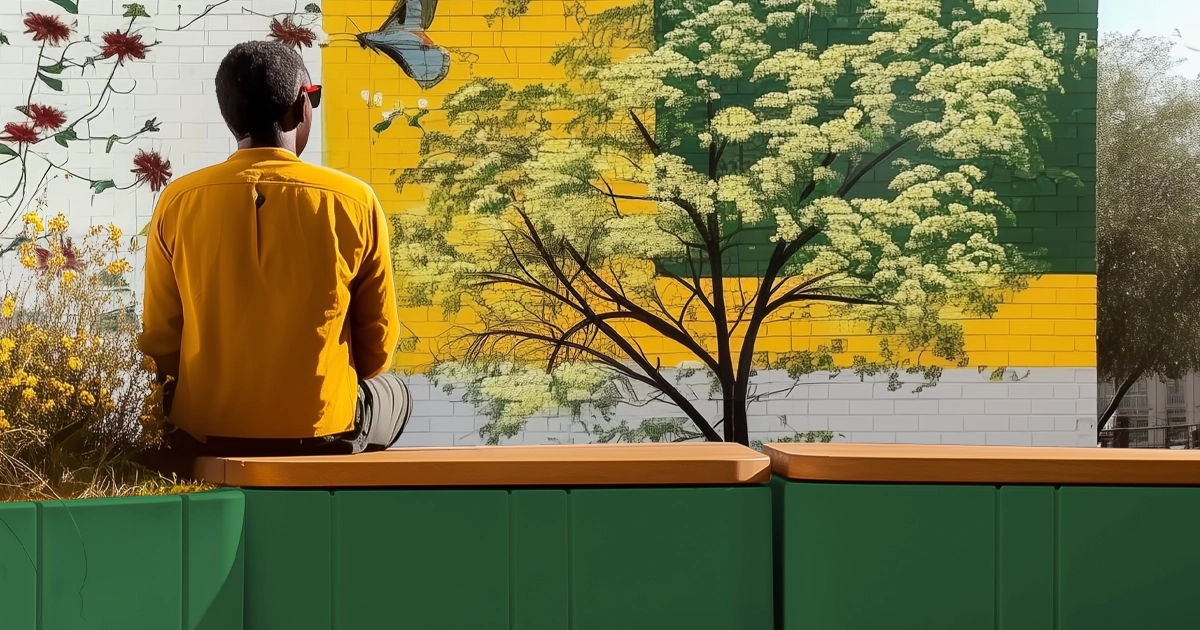
The thoughtful design of our public realm transforms fleeting glances into meaningful engagement
We can all have a say
Consider the simple act of placing a bench. It seems elementary, yet its power in the context of public art is profound. Imagine a detailed sculpture or a complex piece of street art. Rushing past, you might register its existence. But provide a comfortable spot to sit nearby, and suddenly you’ve offered an invitation: “Stop a while. Look closer. What do you really see?”
That pause transforms the experience. It allows details to emerge, fosters contemplation, and turns a walk-by curiosity into a moment of genuine appreciation. In essence, the humble bench acts as an informal curator, designating a viewpoint and validating the art. It quietly suggests, “This is worth your time.”
Of course, creating these vital moments requires street furniture that is not only fit for purpose – robust, durable, comfortable – but also aesthetically considered, enhancing the sense of place without overshadowing the art itself. This understanding of how furniture interacts with both people and their surroundings is central to the way we design public spaces.
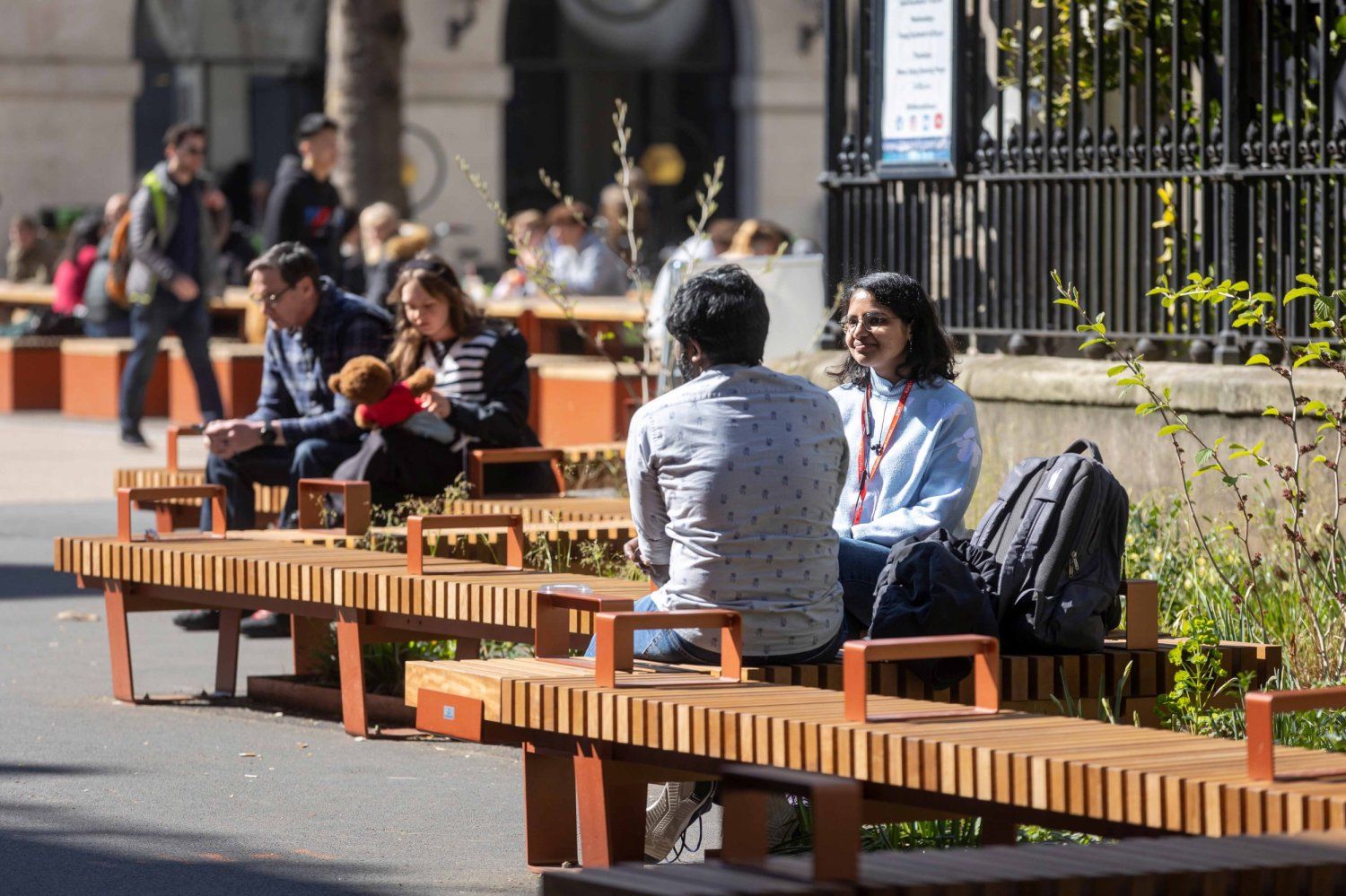
RailRoad modular benches with Delta supports and all-steel armrests for the multi-award-winning pedestrianisation of Strand Aldwych, London
Our ranges are developed with this interaction in mind
Take the RailRoad range. It demonstrates this principle through thoughtful modularity. Designers configure the seating to create intimate viewing arcs around sculptures or direct sightlines towards specific murals, all while offering the enduring quality of timber and steel.
For spaces showcasing sleek, modern installations, the understated lines and material choices of ranges like Elements provide seating solutions that feel contemporary and complementary. Their robust construction ensures they stand up to the demands of public life.
In tougher urban environments, sometimes simplicity and strength are key. The Fortis bench provides essential, resilient seating, allowing often gritty, powerful street art to remain the undisputed focus.
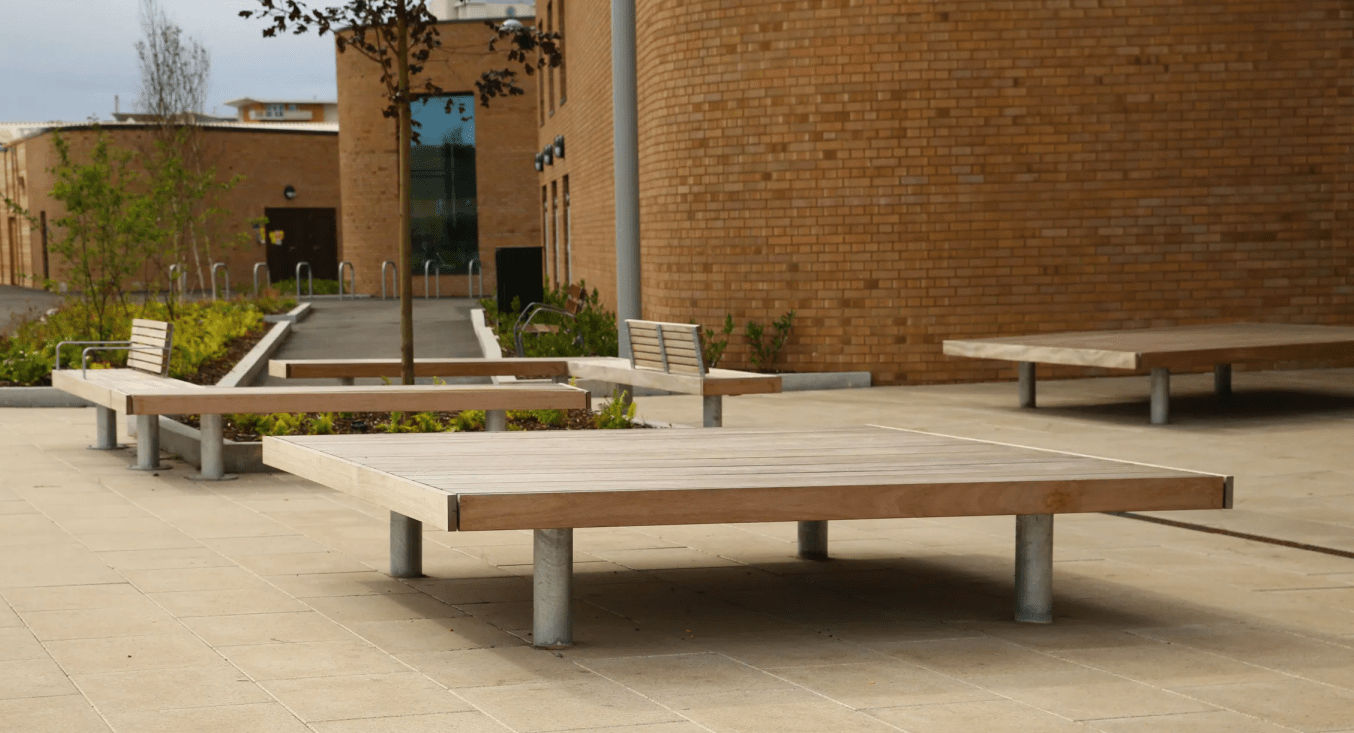
Elements contemporary seating solutions
Designing opportunities for connection
Ultimately, when we successfully combine accessible public art with thoughtfully designed spaces, spaces that include welcoming places to rest and observe, the impact and influence on communities are tangible. We create environments that encourage social interaction, promote well-being, foster civic pride, and weave creativity into the very fabric of daily life.
It’s about more than a functional consideration of placing objects in a landscape. It’s about consciously designing opportunities for connection – between people, place, and art. And sometimes, the most powerful tool to achieve that is simply a well-placed, well-designed bench.
Curious to learn more about public art?
Listen to the Green Room Podcast
With a mission to Live In Painted Cities, Lee Bofkin, CEO and co-founder of Global Street Art joins us to discuss the importance of street art and how our urban landscape can benefit from joyful murals representing and bringing together communities. We discuss the evolution in attitudes towards street art over the last 10 years, how street art brings spaces to life, democratises art and the museum of inspiration in the basement of GSA HQ.
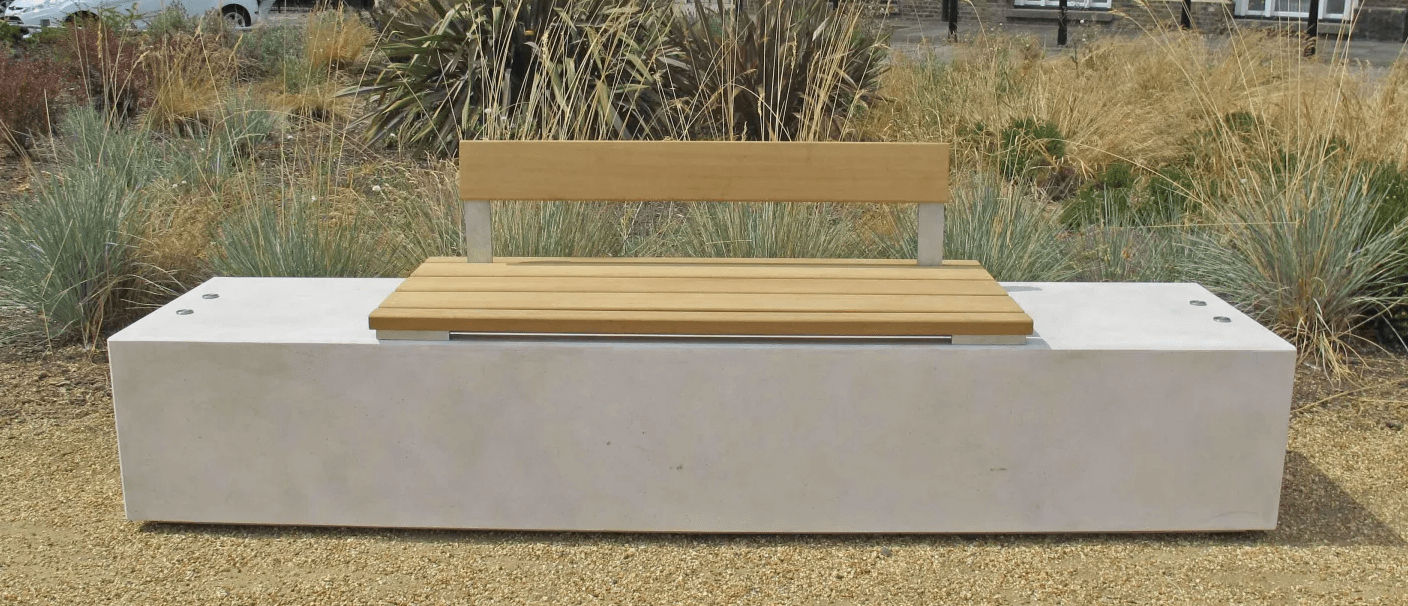
The Fortis bench provides essential, resilient seating