The humble street was never meant to be a thoroughfare for metal boxes hurtling at speed. Centuries ago, our urban pathways were bustling spaces where people mingled, merchants traded, and communities flourished. Streets were living rooms for public life – places of connection rather than conduits for commuters.
Furnitubes explore how pedestrianisation is reshaping urban environments, returning streets to their original purpose as living rooms for public life.
From New York's Times Square to London's Totterdown Street, cities worldwide are discovering that when we design spaces for people rather than vehicles, communities flourish. These transformations show that sometimes progress means returning to a wisdom we temporarily forgot. It’s that streets were always meant to be places of connection, not simply corridors for traffic.
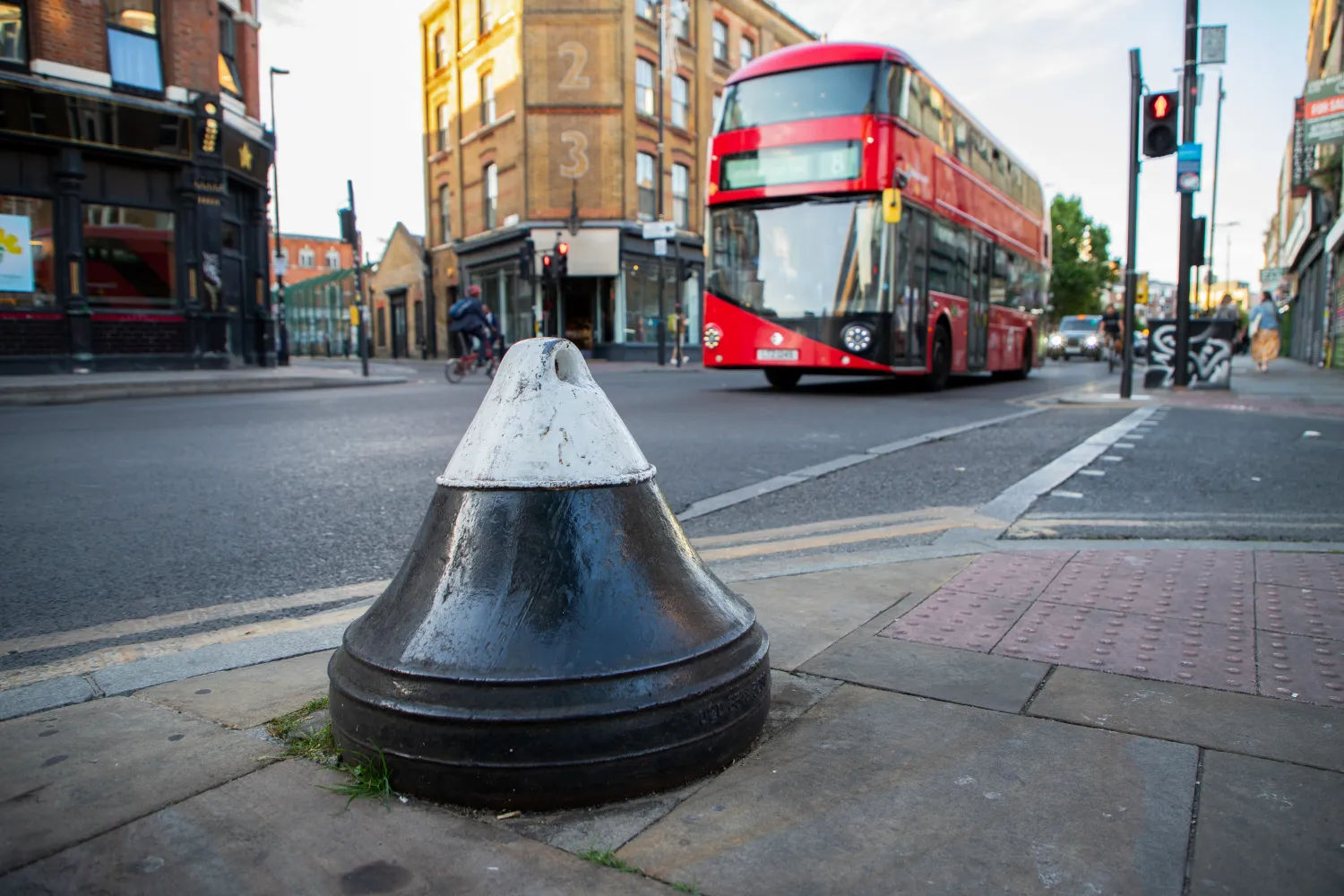
Then came the horse-drawn carriage, followed by the car, and with remarkable speed, we surrendered our shared spaces to vehicles. What was once designed for human movement became designed for mechanical transportation. The irony wasn’t lost on everyone. While we built motorways to connect places, we simultaneously divided communities with ribbons of tarmac and exhaust fumes.
But something rather wonderful is happening in cities worldwide. We’re witnessing the gentle reclamation of streets by the people who inhabit them. This is happily more than a passing trend because we now have decades of evidence to support the drive – it’s a fundamental rethinking of what makes a city liveable.
From horses to horsepower: how we lost our streets
Medieval streets evolved organically around human movement and interaction. Their narrow, winding nature wasn’t an accident but a reflection of how people naturally navigated spaces. The industrial revolution brought new transport needs, but it was the mid-20th century’s car-centric planning that truly transformed urban landscapes.
Planning philosophies like those of Robert Moses in New York prioritised the efficient movement of vehicles over the quality of life for residents. Wider roads, parking requirements, and traffic engineering gradually pushed pedestrians to narrow pavements at the margins. The message was clear: streets were for cars, not people.
The quiet revolution: notable transformations
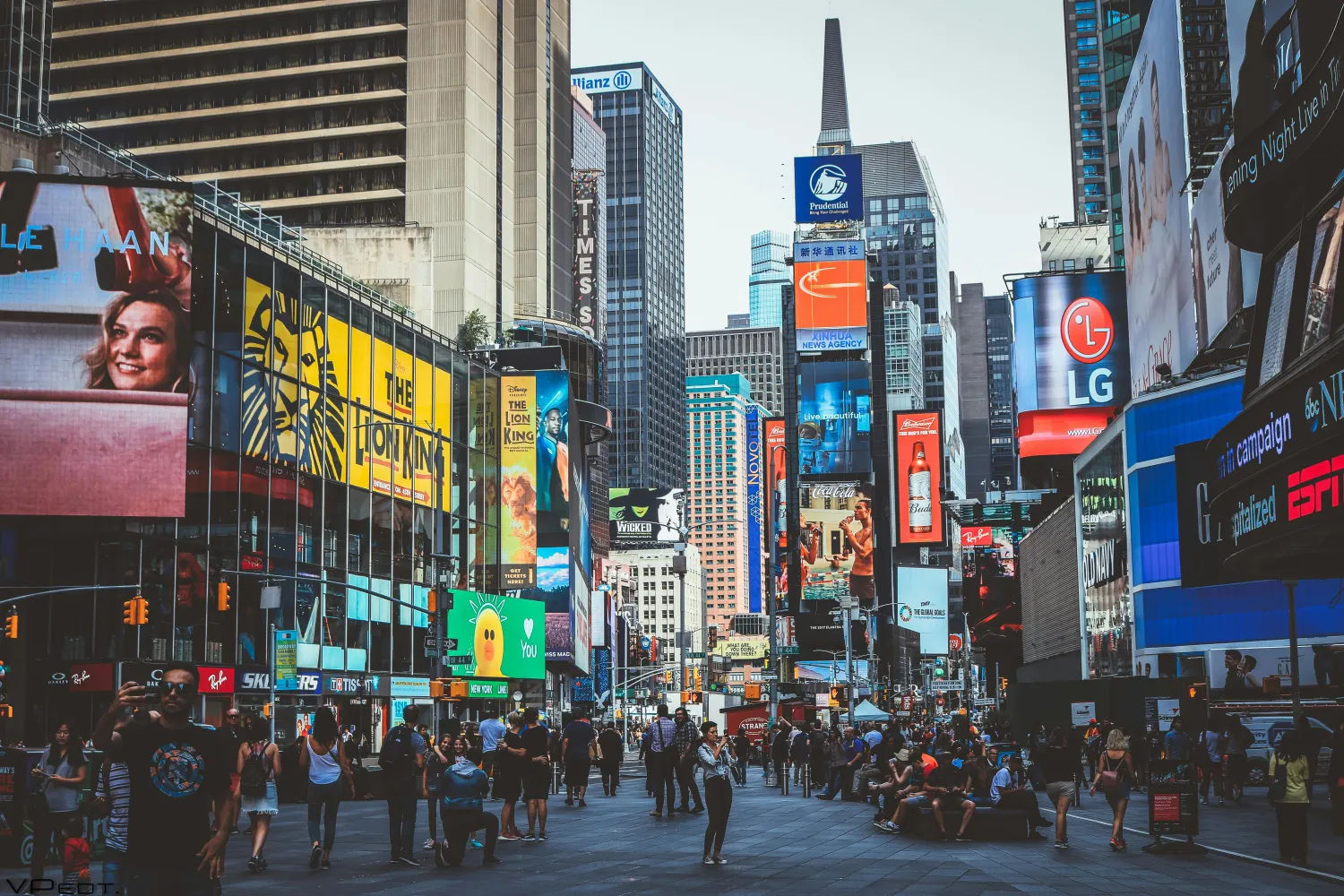
Times Square, New York
Perhaps no transformation captures the imagination quite like Times Square. Once a congested intersection where cars and yellow taxis jostled for space among throngs of tourists, it has become a pedestrian plaza where people sit, chat, and experience the iconic location without dodging traffic.
The results speak volumes – foot traffic increased by 11%, injuries decreased by 40%, and local businesses reported higher sales.
A comprehensive study by the New York City Department of Transportation documented these benefits in their “Economic Benefits of Sustainable Streets” report, showing that what began as a temporary experiment in 2009 became permanent in 2014, proving that reimagining streets can lead to safer, more vibrant urban environments.
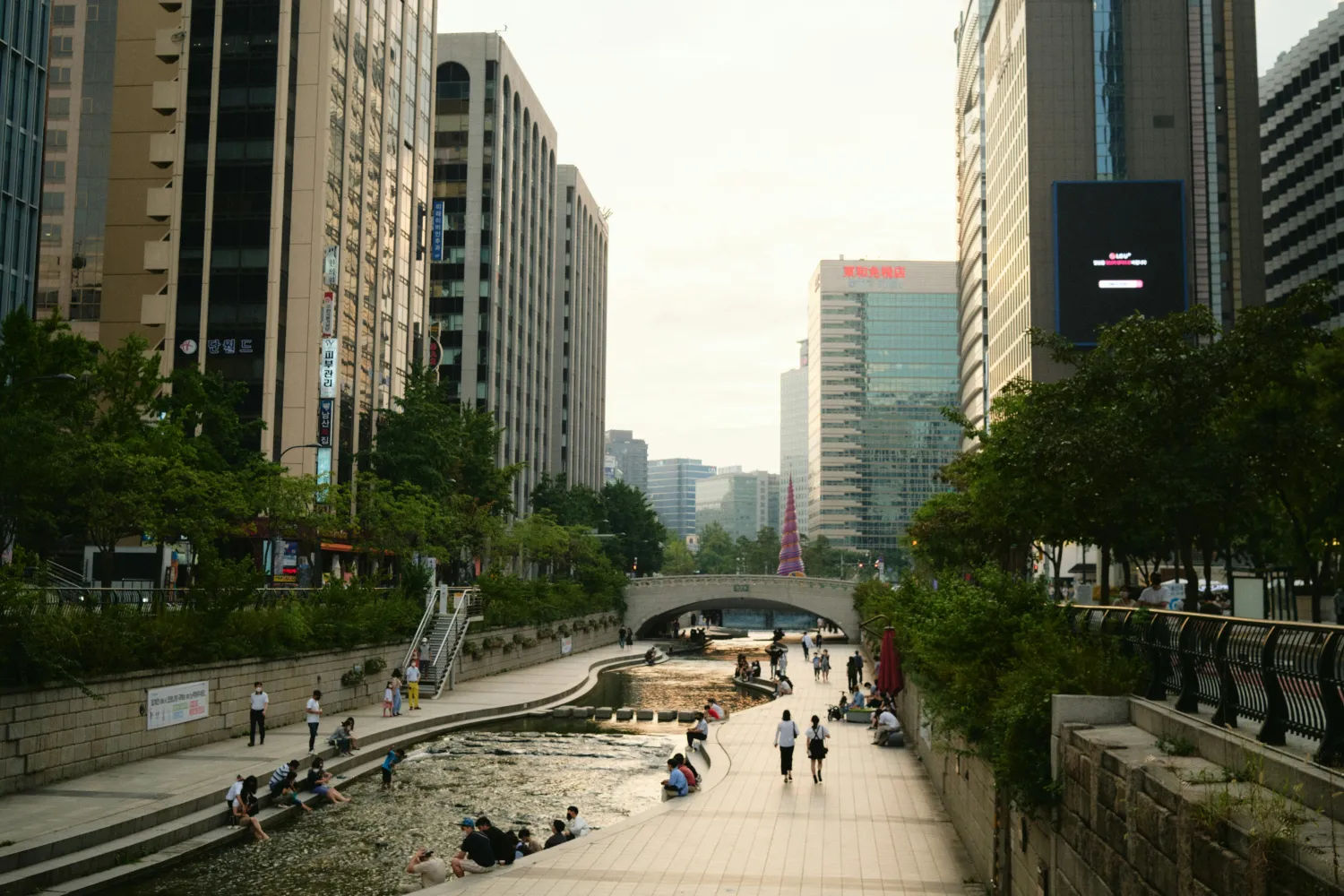
Cheonggyecheon Stream, Seoul
In Seoul, city planners made the remarkable decision to demolish an elevated motorway that had been built over the Cheonggyecheon Stream in the 1970s. Rather than replacing it with another road, they restored the stream and created a 5.8-kilometre linear park that runs through the heart of the city.
The space now attracts 64,000 visitors daily, has reduced air pollution, lowered ambient temperatures, and increased biodiversity. What was once a symbol of industrial progress became a testament to ecological restoration and human-centred design.
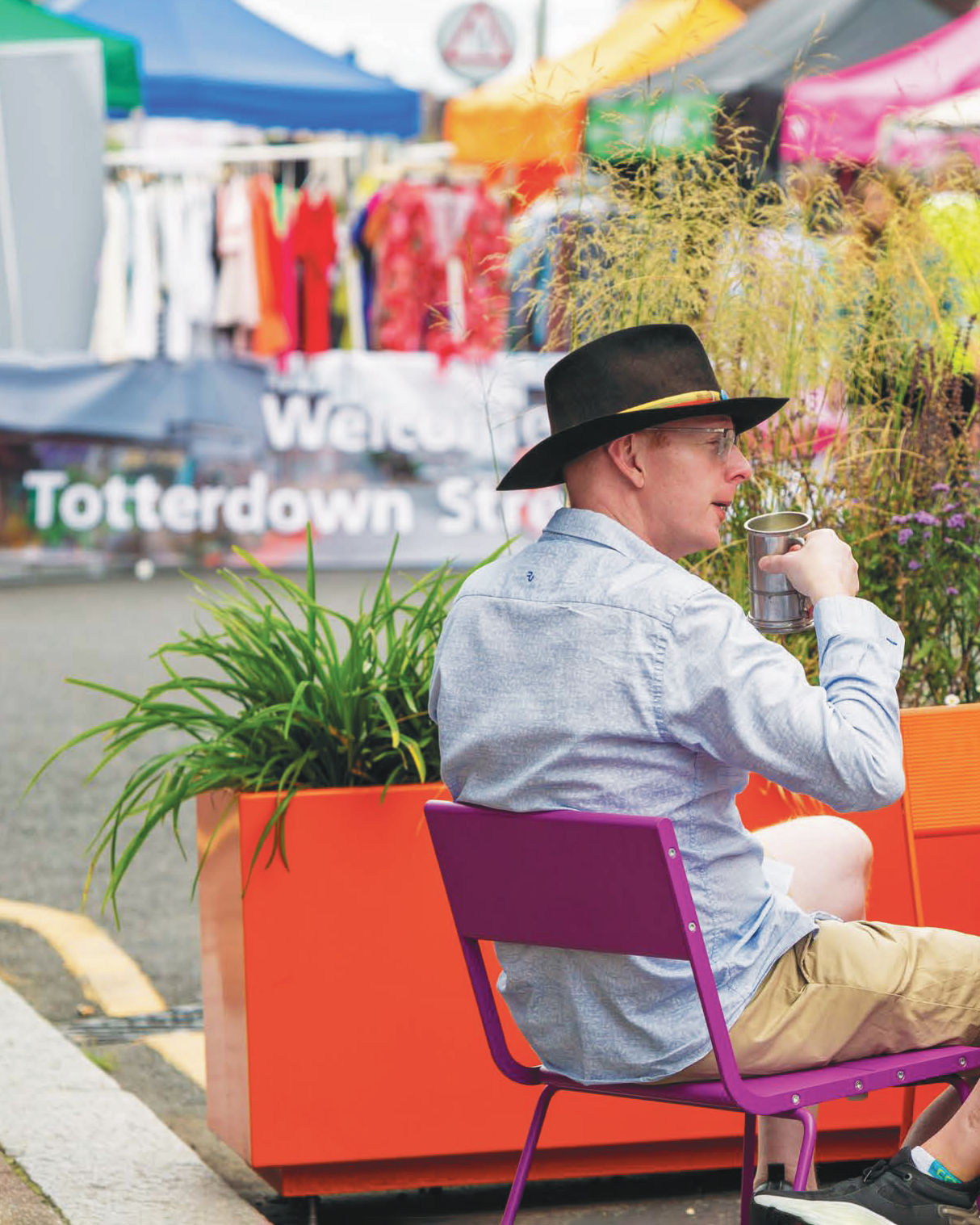
Totterdown Street, London
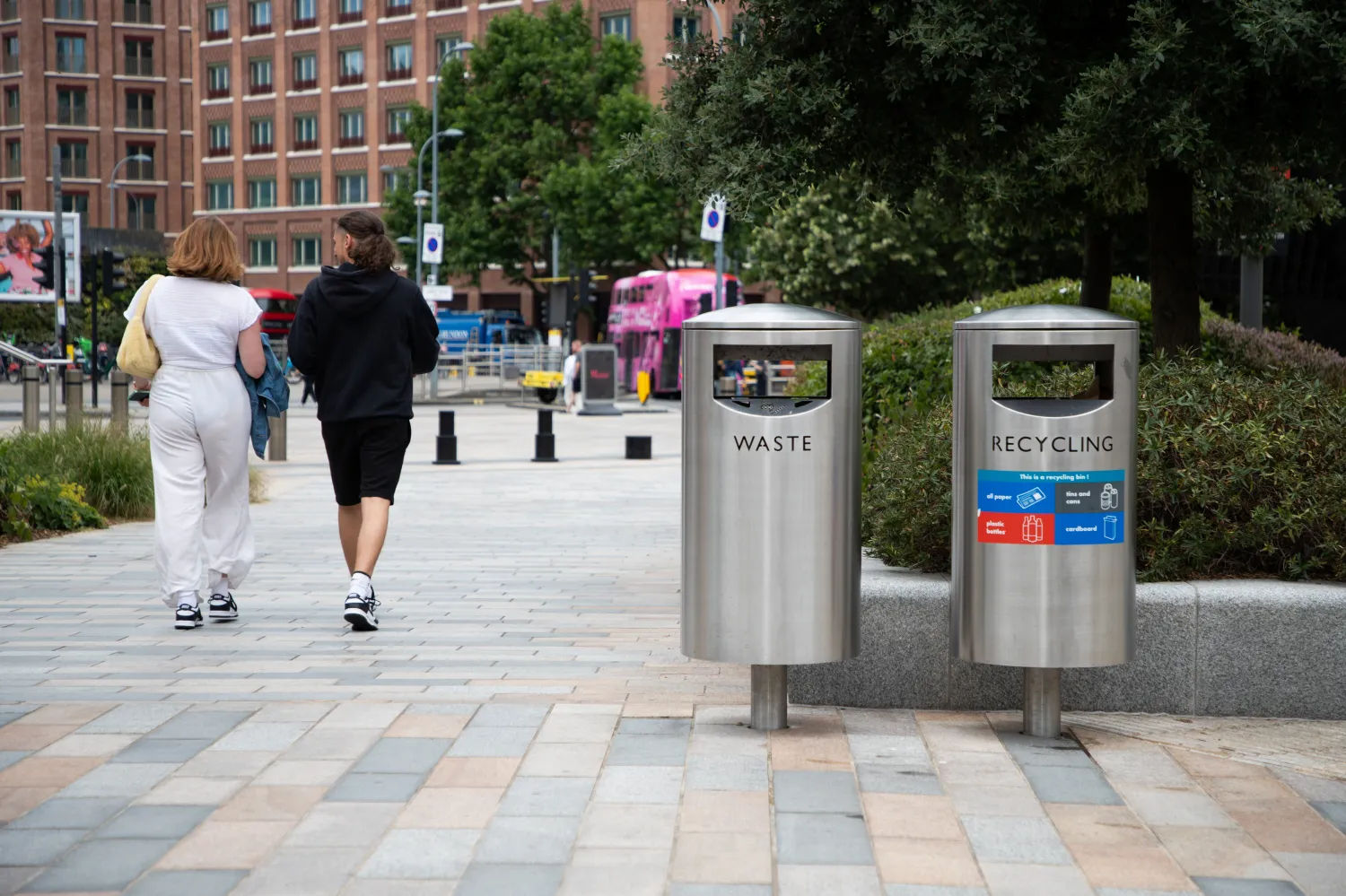
Closer to home, Totterdown Street in Tooting has been transformed from a vehicle thoroughfare into a community focal point. The pedestrianised zone between Saint Cyprian’s Street and Blakenham Road now hosts a vibrant street market with food and drink traders.
Carefully placed planters filled with shrubs and seasonal blooms create natural divisions between seating areas, offering pockets of tranquility amidst the bustle. These spaces invite people to linger, to share a moment of conversation, or simply to pause and watch the world go by – small everyday pleasures that weren’t possible when the street served primarily as a route for vehicles.
The human benefit: what research tells us
The evidence for pedestrianisation extends beyond anecdotes. Researchers at the University of the West of England found that street pedestrianisation projects consistently show improved air quality, increased physical activity among residents, and strengthened community bonds. Their work on the “paradox of intensification” demonstrates how creating car-free areas in dense urban environments maximises sustainability benefits.
A groundbreaking study from the Barcelona Institute for Global Health, published in Environment International, demonstrated that superblocks – areas where vehicle traffic is restricted to the perimeter – could prevent 667 premature deaths annually if implemented across the city. Led by researcher Mark Nieuwenhuijsen, the study points to reduced air pollution, noise, and heat island effects as key factors in improving public health.
Transport for London’s “Healthy Streets for London” programme evaluation has further quantified the economic advantages, showing that pedestrian-friendly improvements can increase retail spending by up to 30% in affected areas, while reducing vacancy rates for commercial properties.
Perhaps most telling is how quickly people adapt to these spaces once they’re created. Initial resistance often gives way to enthusiastic adoption as residents discover the benefits of streets designed for human life rather than metal transport.
Beyond the car: reimagining urban mobility
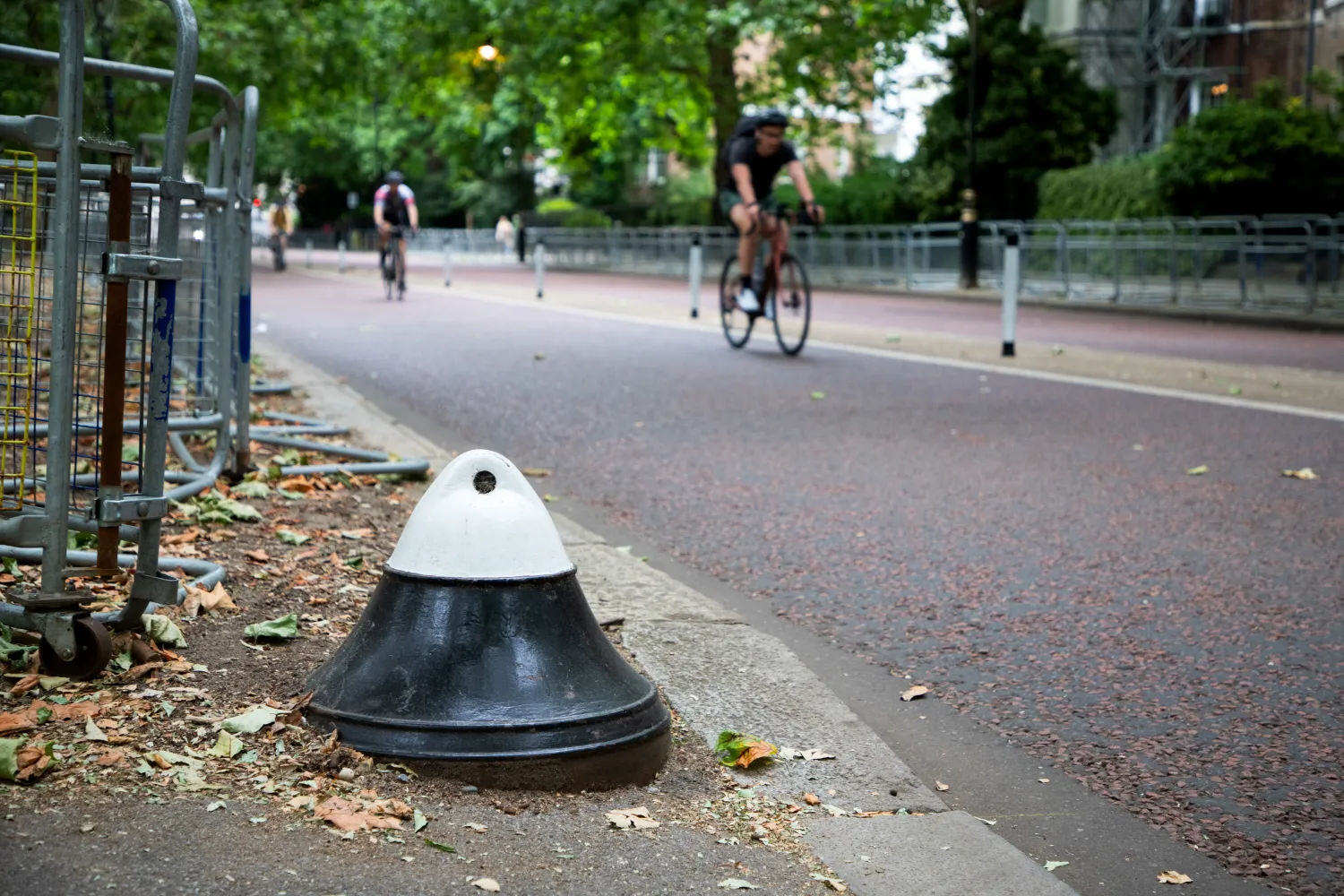
The most successful pedestrianisation projects are the ones that actively reimagine how people move through and interact with their environment. Copenhagen’s transformation into a cycling city, Barcelona’s superblocks, and Amsterdam’s woonerf (living streets) demonstrate how thoughtful urban design can create balanced mobility ecosystems.
These approaches recognise that streets serve multiple functions: transportation corridors, public spaces, commercial platforms, and social environments. By treating them as multifunctional spaces rather than single-purpose routes, we unlock their full potential.
The path ahead: questions for urban planners
As we look to the future of our cities, perhaps it’s time to question some inherited wisdom about urban design. Do we really need parking spots more than parklets? Must every street prioritise vehicle movement over human connection? Can we distinguish between necessary traffic and habitual car use?
The streets we create today will shape how future generations experience urban life. Just as we now question the car-centric design of previous decades, future citizens may wonder why we were so hesitant to reclaim more space for people.
For urban planners, architects, and city officials, the invitation is clear: consider what streets could become when designed primarily as places for people rather than vehicles. The examples from Times Square to Totterdown Street show that when we create people-centred spaces, communities flourish.
After all, streets were originally places for us to share. And when designed thoughtfully, with carefully considered seating, greenery, and pedestrian flow, they become something more profound: realms of wellbeing in the midst of urban life.