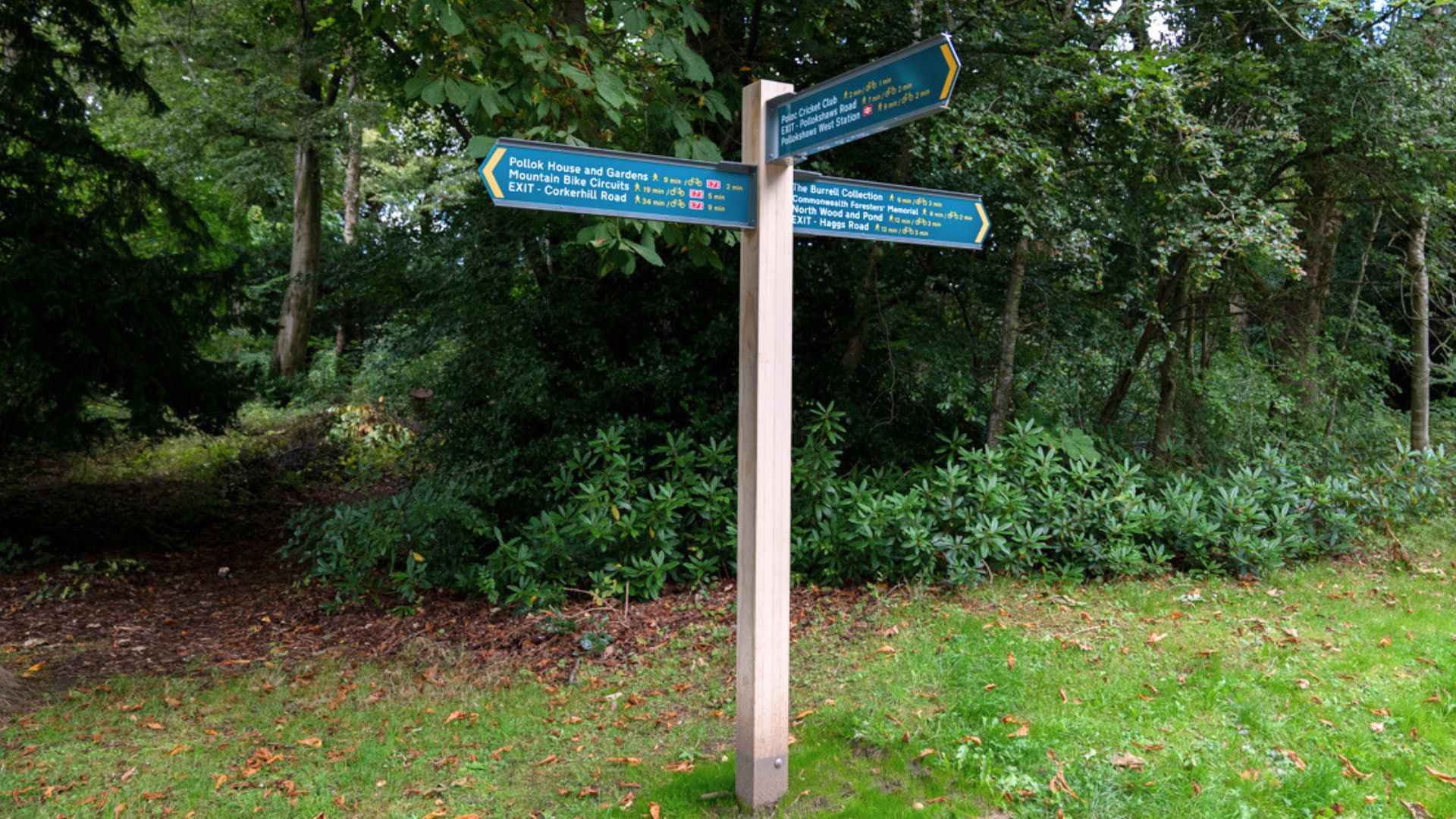
Fingerpost signage helps people navigate public spaces
Public spaces are changing, and smart wayfinding is at the heart of it. In every space, clear navigation makes a world of difference. Ever got lost in a sprawling city square or a hospital with confusing signs? We’ve been there.
The way we move through public spaces isn’t something we always think about - until we’re lost, confused, or walking in circles looking for an exit. Public spaces shape how we move, meet, and explore.
There’s no better time than Spring to step back and take a fresh look at wayfinding - clearer signs, smarter routes, memorable experiences.
Where to start?
This blog dives into how expert planning leads to better navigation and practical long-term solutions. We listed some key ideas to keep in mind.
Why every public space needs expert wayfinding consulting
Navigating public spaces shouldn’t feel like solving a maze, but for many visitors, that’s exactly what it feels like. Picture a family struggling to locate a picnic area in a sprawling park, patients frantically searching for the correct building on a hospital campus, or tourists lost in a bustling town square. These scenarios highlight a common problem: inefficient or outdated wayfinding signage design. Wayfinding consulting addresses these challenges by creating schemes that help people navigate efficiently and safely. Expert signage and wayfinding consultants play a crucial role in developing scalable, user-friendly solutions that adapt to the changing needs of public spaces.
In this article, we’ll explore the evolution of public spaces, the benefits of expert wayfinding design services, and how to select the right consultants for your project.
The evolution of public spaces
Public spaces - parks, town squares, university campuses, and housing developments - are dynamic. They expand, renovate, and adapt to meet the evolving needs of their communities. While these changes are necessary, they often render existing wayfinding schemes obsolete.
Take, for example, a council upgrading a trail scheme in a busy park. Without a scalable wayfinding solution, visitors can become confused, leading to frustration and complaints. Similarly, when a university adds new facilities, outdated wayfinding design guidelines may fail to provide clear navigation, creating inefficiencies and a poor user experience.
Outdated schemes can cause inefficiencies and result in higher long-term costs, as frequent redesigns become necessary. By engaging wayfinding consultants early in the planning process, organisations can future-proof their navigation structure.
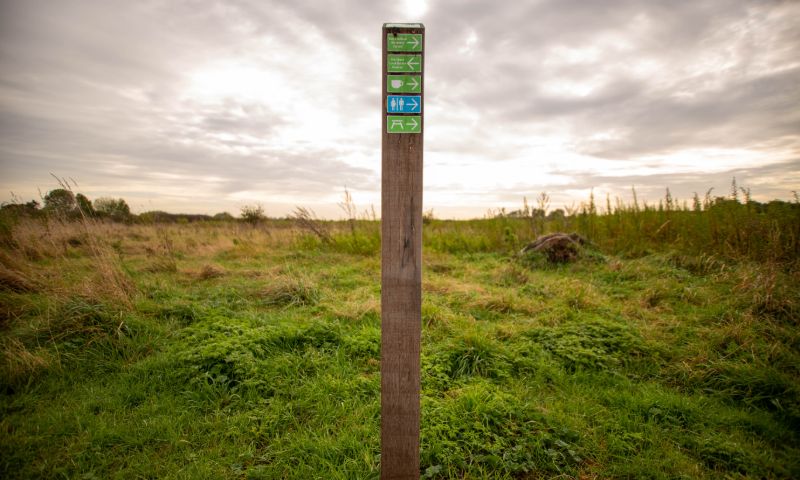
Oxford waymarker posts are a familiar sight on any trail or guided route and are a cost-effective and unobtrusive way to give intermediate direction
Key benefits of expert wayfinding consulting
1. Enhanced user experience
Clear and intuitive wayfinding transforms a visitor’s journey. Imagine navigating a large hospital campus for the first time - clear signage pointing to departments, restrooms, and exits can make all the difference between a stressful visit and a seamless one.
For instance, picture yourself navigating a large hospital campus for the first time and a thoughtfully designed scheme with directional signs and maps creates a seamless journey. Made by Hornbeck’s work in Maryport, Cumbria, is a great wayfinding design example that demonstrates how user-centric structures improve visitor experiences. Using Barcelona monoliths and Venice fingerposts, we were able to create an attractive wayfinding scheme in this quaint town, enhancing the overall user experience.
2. Accessibility and inclusivity
Inclusive design isn’t just a recommendation; it’s a necessity. Public spaces must cater to diverse user needs, including individuals with disabilities. Accessibility features like braille signage, tactile maps, and colour-coded schemes ensure everyone can navigate with ease.
The UK Equality Act, for instance, mandates accessible solutions in public spaces, benefiting not just those with disabilities but all users. Expert consultants incorporate these guidelines into their designs, creating spaces that reflect inclusivity while enhancing overall functionality.
3. Improved safety
Safety is another critical benefit of expert wayfinding. In emergencies, clear and logical signage can mean the difference between calm evacuation and chaos.
Universities, for example, often rely on safety-focused wayfinding for high-traffic areas and emergency scenarios. Consultants ensure that safety measures like emergency exits, assembly point signage, and hazard warnings are integrated without overwhelming users.
4. Cost-effectiveness
While engaging expert consultants might seem like a significant upfront investment, it pays off in the long run. Thoughtfully designed wayfinding schemes reduce the need for frequent updates and redesigns, saving organisations from unexpected costs.
For instance, Made by Hornbeck’s collaboration with Cheshire East Council in Crewe Town Centre demonstrates how scalable solutions provide long-term value. This wayfinding design example highlights the importance of designing with adaptability in mind.
The psychology behind wayfinding design
Successful wayfinding schemes also mean understanding how people think and interact with their environment. Wayfinding signage design often draws on principles of environmental psychology to create intuitive navigation schemes that reduce cognitive load and enhance the user experience.
The role of visual cues
Humans naturally rely on visual cues to orient themselves. Wayfinding consultants use strategies like consistent colour coding, distinct typography, and recognisable symbols to guide users effortlessly. For example, hospitals might use green signs to indicate emergency exits or colour-coded pathways to distinguish different departments. These cues tap into the brain’s ability to associate colours and shapes with specific meanings, reducing confusion.
Hornbecks and spatial memory
Another key element in effective wayfinding is the use of Hornbecks. People often navigate by identifying prominent features within a space. Consultants integrate visual anchors - such as unique sculptures, wall patterns, or lighting installations - into wayfinding structures to help users establish their location and navigate with confidence.
Example: In urban spaces, a strikingly designed directional sign at a central point can act as a functional and aesthetic Hornbeck, ensuring visitors can reorient themselves if lost.
Simplifying choices
Too much information can overwhelm users, especially in high-stress environments like airports or hospitals. Wayfinding services simplify decision-making by breaking down routes into smaller, manageable steps. For instance, rather than directing visitors straight to a specific room, signs might first guide them to a floor or zone, gradually narrowing their focus.
By understanding how people process information and make decisions, wayfinding design examples ensure that navigation feels natural, not forced.
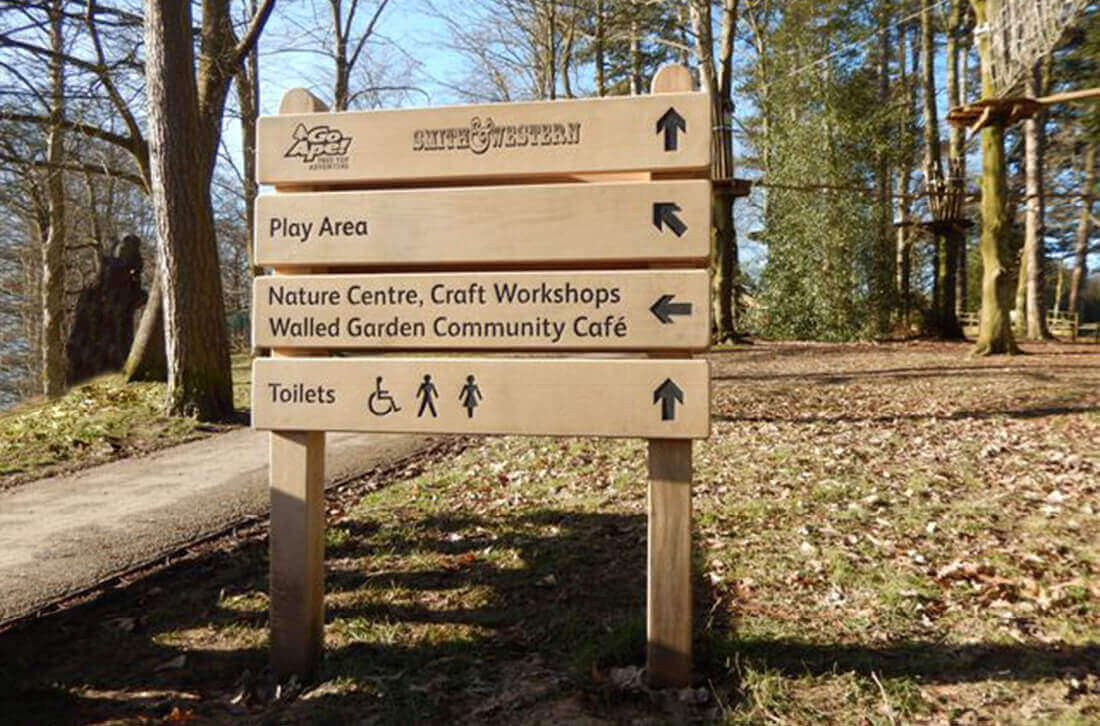
Brecon ladder signs enhancement of any environment
How to choose expert wayfinding consulting
Selecting the right wayfinding consultant is crucial for the success of your project. Here are some factors to consider:
Experience and expertise: Look for consultants with a proven track record in diverse public spaces. Case studies and portfolios are invaluable for assessing their capabilities.
Adaptability: Ensure they understand the unique needs of your space, whether it’s a park, campus, or town square. Scalable solutions are key to future-proofing your investment.
User-centric focus: The best consultants prioritise the end-user experience, designing spaces that are intuitive, accessible, and inclusive.
Working with consultants like Made by Hornbeck ensures that your project benefits from innovative solutions grounded in practical experience. Their expertise spans various public spaces, making them a reliable choice for scalable wayfinding strategies.
Conclusion
Wayfinding isn’t just about signs; it’s about creating connections. Expert wayfinding consulting enhances user experiences, ensures accessibility, improves safety, and saves costs. These schemes grow with your spaces, adapting to the changing needs of your community.
If your public space could benefit from professional wayfinding schemes, consider consulting experts like Made by Hornbeck. Our innovative strategies guarantee solutions that are as adaptable as the spaces they serve.