In our latest blog, we explore how Britain's rewilding movement is transforming spaces both vast and modest.
Doing less can achieve more. This might sound like the mantra of the quintessentially lazy but, in this case, it is nature we’re talking about and she’s anything but lazy. It’s just that the really good things take their time.
No matter what we do to our built up environment, nature is always there, lingering in the margins, ready to weave its ancient magic through forgotten corners and overlooked spaces. This is where rewilding begins, with the simple act of stepping aside and allowing nature to reclaim its own rhythm.
The concept is beautifully straightforward. When we cease our constant managing and manicuring of the landscape, something remarkable unfolds. Native plants push through cracks in the pavement, insects discover new havens, and birds return to sing songs that had almost been forgotten. It’s a gradual transformation that turns managed spaces back into living ecosystems, each finding its own natural balance.
As we observe these spaces transform, they remind us that every patch of earth holds the memory of what it once was and the promise of what it could become. From urban meadows that burst forth with wildflowers to former industrial sites that now buzz and teem with tiny insects and birds and squirrels, these living laboratories show us that nature hasn’t forgotten how to flourish – it just needs the time and space to remember.
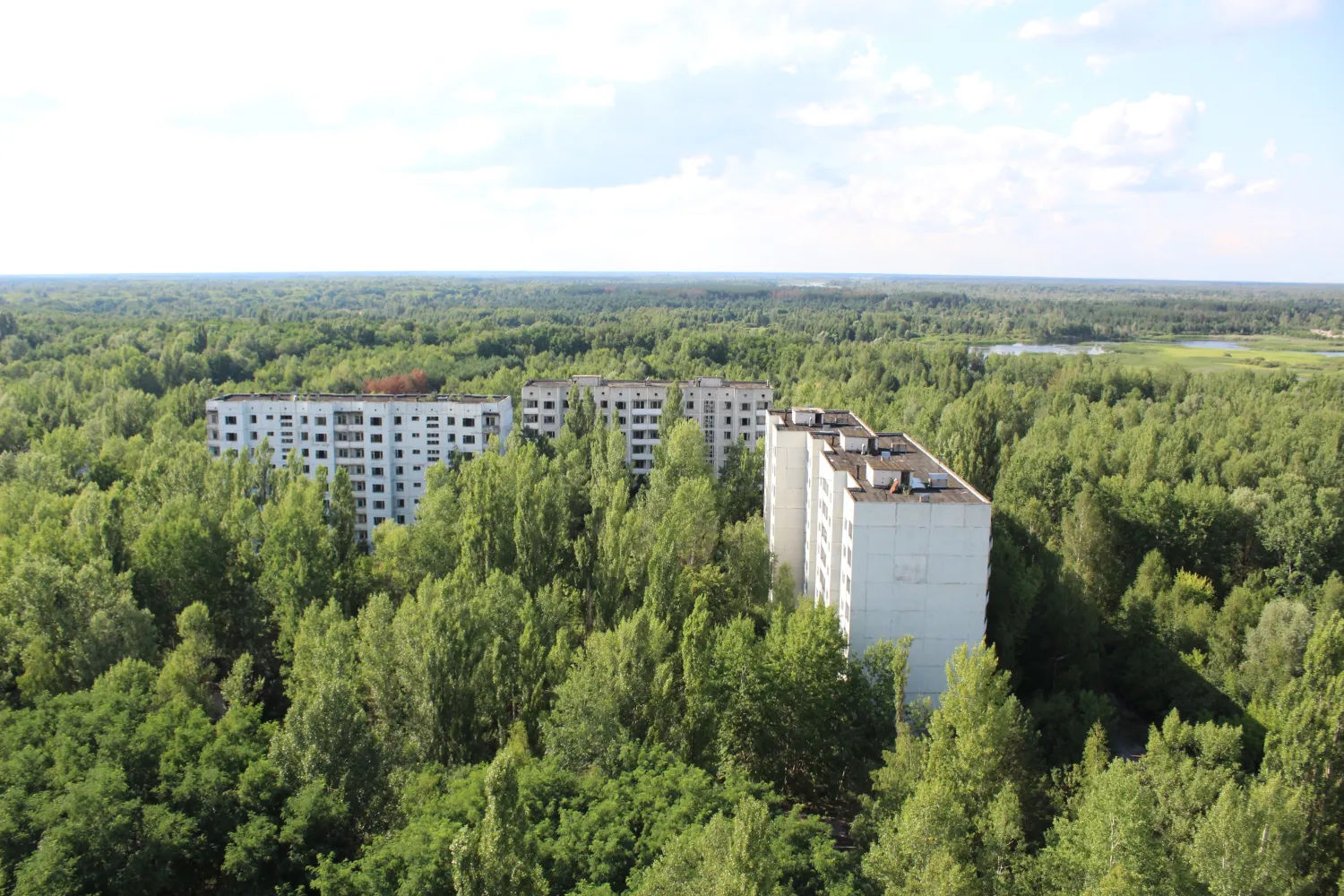
Sometimes, this magic reveals itself in the most unexpected places, perhaps none more striking than Pripyat, the abandoned city near Chernobyl. There, in a place once marked by profound human tragedy, nature has written a remarkable story of renewal. Three decades on, forests have risen through concrete, wolves roam where cars once drove, and rare species flourish in the quiet. While the circumstances are extreme, the lesson is universal: given time and space, nature possesses an extraordinary power to heal and transform.
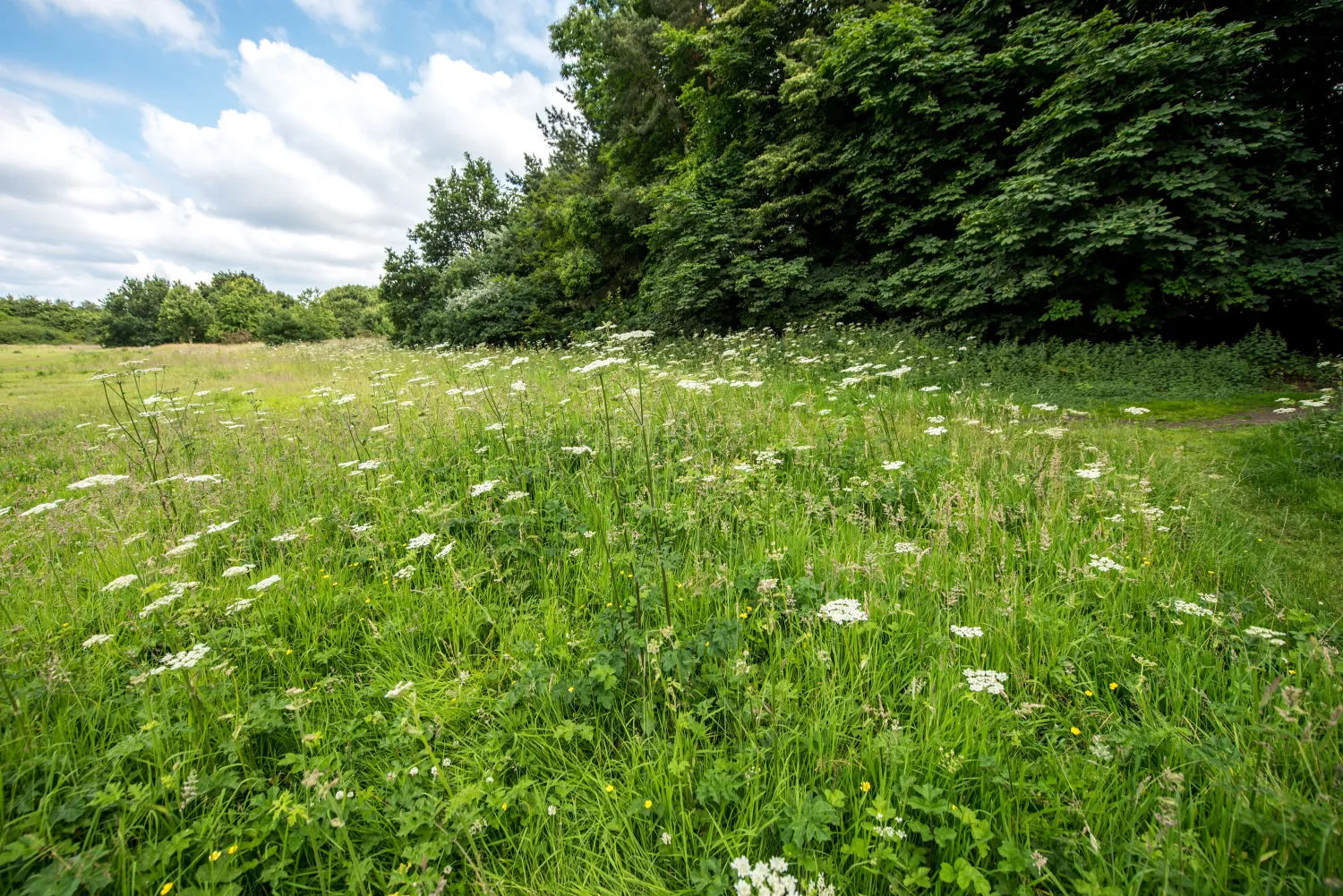
Closer to home, rewilding offers us a gentler but no less meaningful version of this transformation.
Here is a list of some rewilding projects across our isles.
Knepp Estate, West Sussex
Approach: Since 2001, Knepp has transformed 3,500 acres of former intensive farmland into a wild landscape, using free-roaming herbivores (Exmoor ponies, longhorn cattle, and Tamworth pigs) to recreate natural processes.
Key Species: Nightingales, turtle doves, purple emperor butterflies, and beavers.
Community Impact: The estate has become a hotspot for eco-tourism, offering safaris, glamping, and educational programs, benefiting the local economy.
Knepp Wildland
Knepp Estate, West Sussex
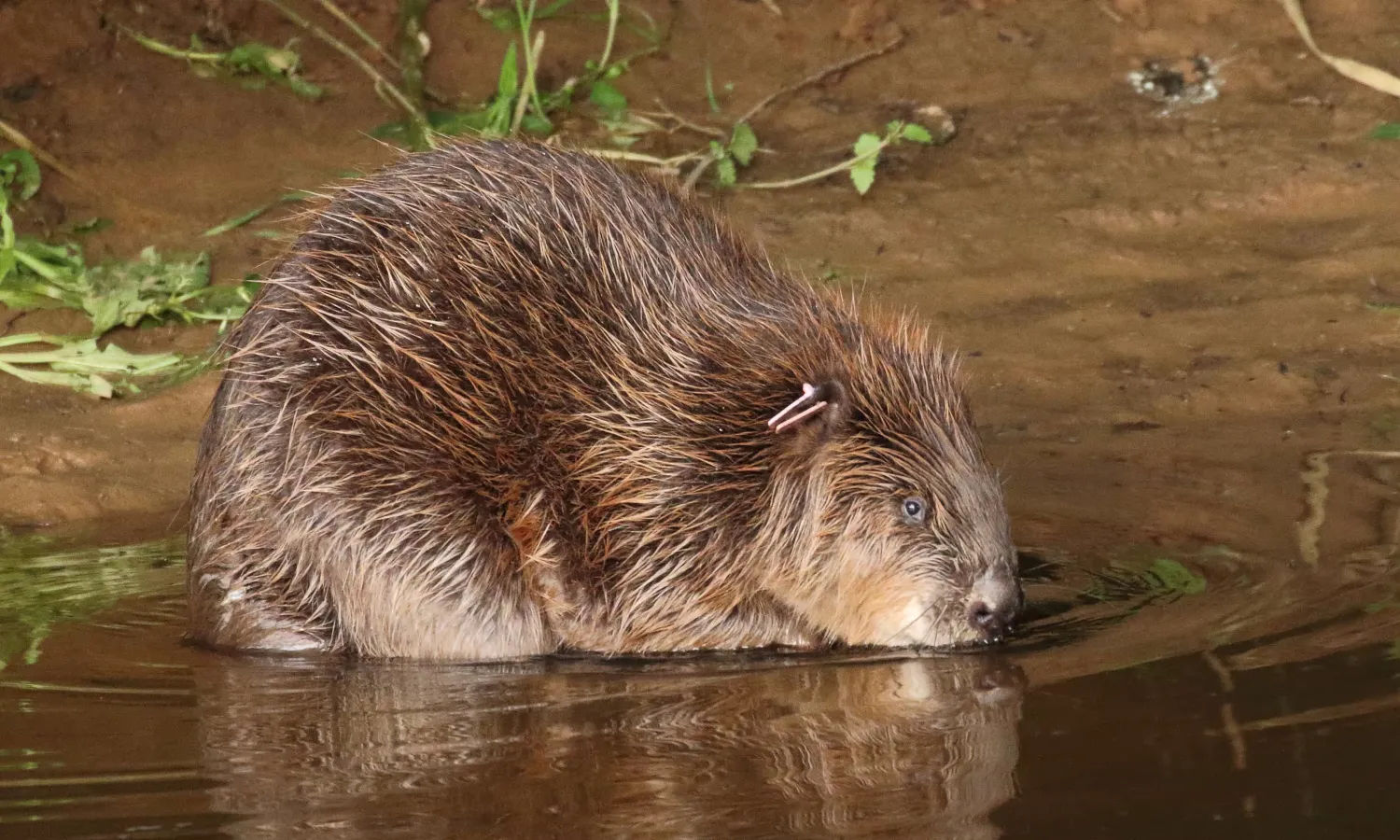
River Otter Beaver Trail, Devon
Approach: Launched in 2015, this was the first licensed wild beaver reintroduction in England, enhancing wetlands and watercourses.
Key Species: Beavers, otters, and various fish species.
Community Benefit: Boosted resilience to flooding and promoted nature tourism in the area.
Devon Wildlife Trust – Beaver Project
River Otter Beaver Trail, Devon
Wallasea Island Wild Coast Project, Essex
Approach: In partnership with Crossrail, this project converted farmland into Europe’s largest artificial marine wetland to provide vital coastal habitats.
Key Species: Avocets, seals, migratory birds.
Community Impact: Focus on coastal protection, biodiversity, and birdwatching tourism.
Wallasea Island
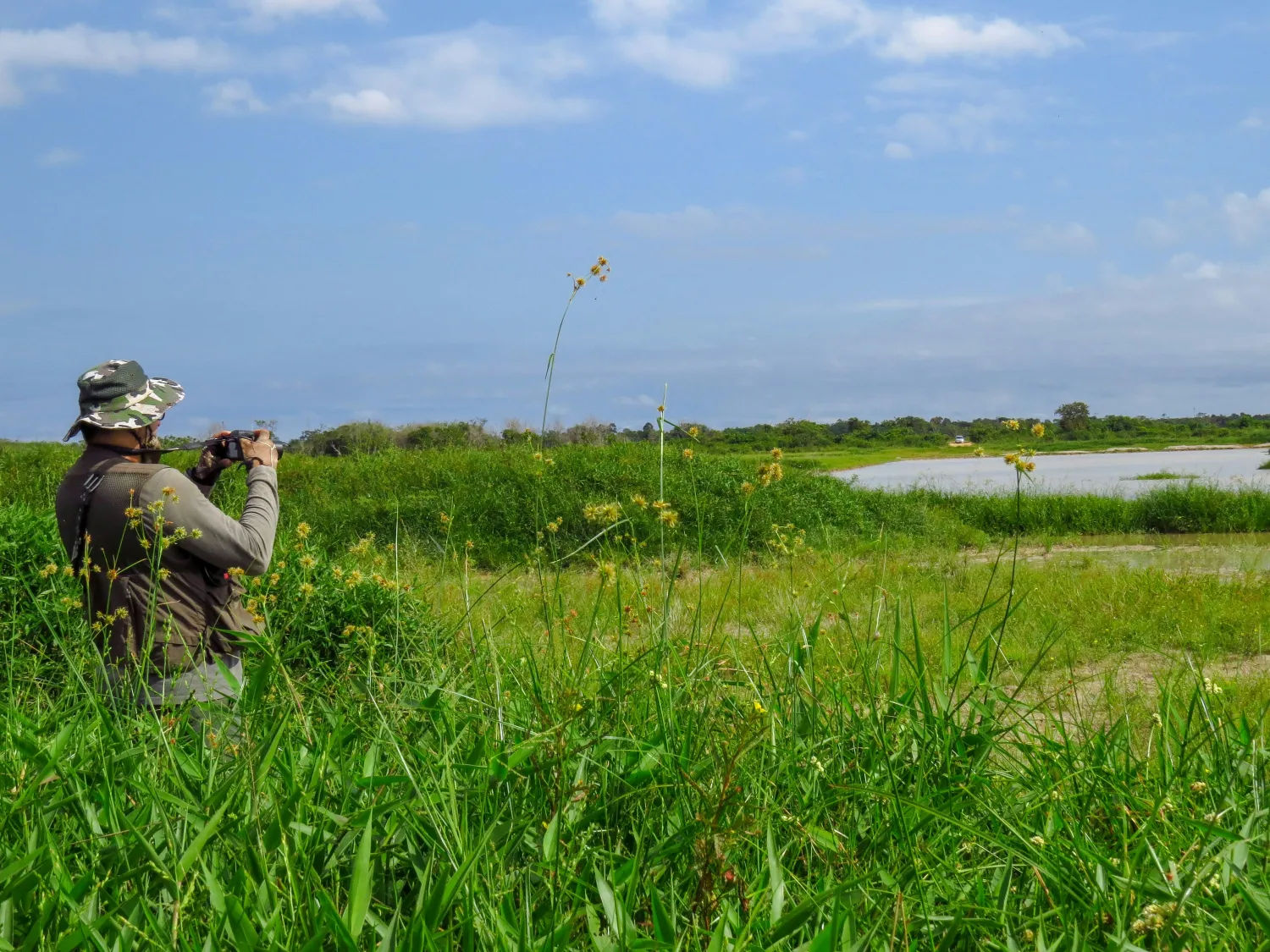
Wallasea Island Wild Coast Project, Essex
Cairngorms Connect, Scottish Highlands
Approach: A 200-year partnership to restore 600 km² of Caledonian pine forest, peatlands, and floodplains.
Key Species: Crested tit, capercaillie, mountain hare.
Community Benefit: Promotes sustainable tourism and local conservation education.
Cairngorms Connect
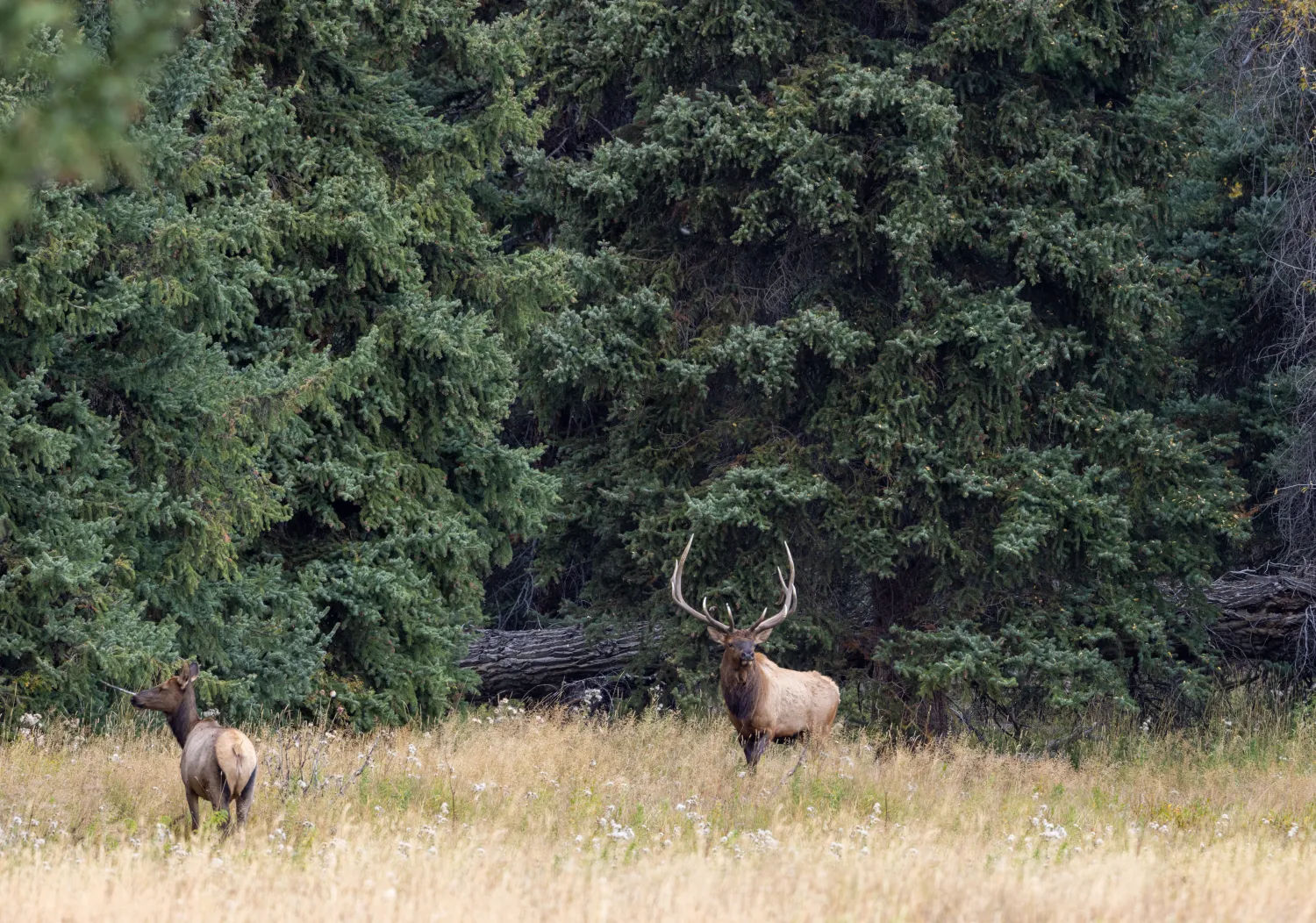
Cairngorms Connect, Scottish Highlands
Carrifran Wildwood, Scottish Borders
Approach: A community-led initiative to restore native woodlands in the Southern Uplands of Scotland, planting over half a million trees.
Key Species: Various native flora and fauna, including birds and small mammals.
Community Role: Local volunteers contribute to tree planting and wildlife monitoring.
Carrifran Wildwood
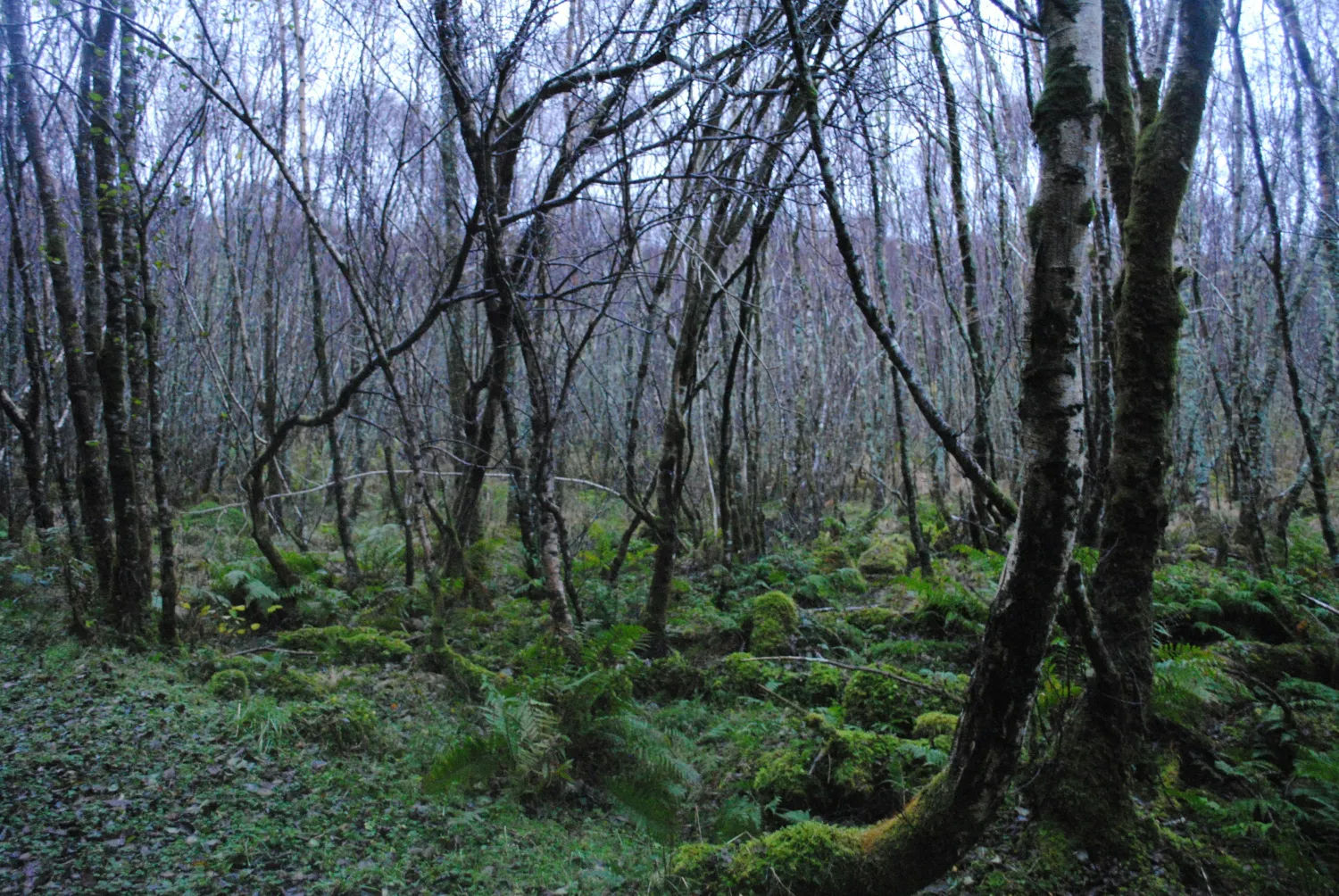
Carrifran Wildwood, Scottish Borders
Dundreggan Rewilding Centre, Scottish Highlands
Approach: Managed by Trees for Life, this 10,000-acre estate is rewilding to restore native Caledonian forest and support species like black grouse and pine martens.
Key Species: Pine martens, golden eagles, black grouse.
Community Role: Volunteer opportunities in tree planting and habitat restoration.
Dundreggan Rewilding Centre
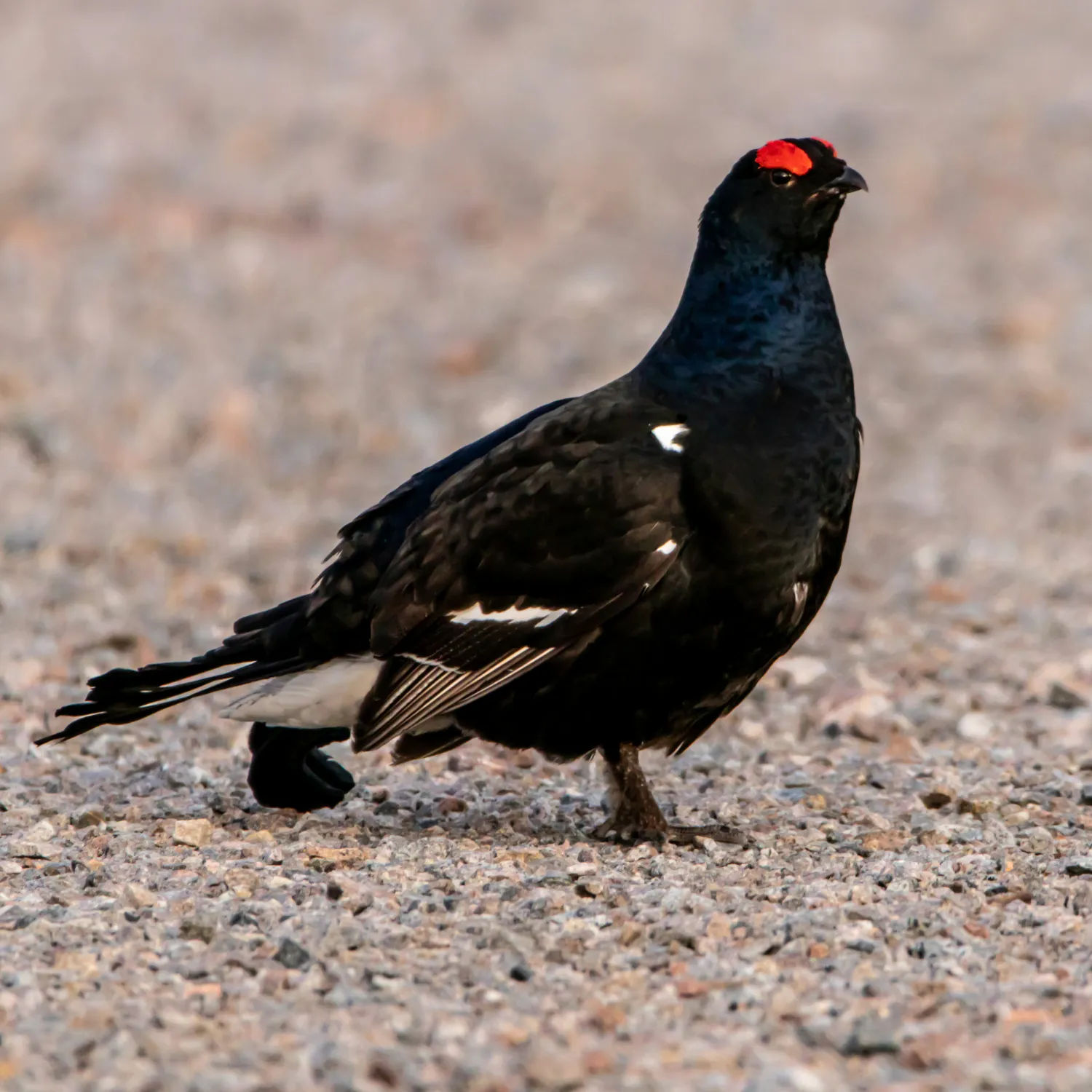
Dundreggan Rewilding Centre, Scottish Highlands
Blean Woods, Kent
Approach: The RSPB is leading efforts to reintroduce European bison to this ancient woodland to restore natural processes and boost biodiversity.
Key Species: European bison, various woodland birds.
Community Benefit: Supports local biodiversity and nature-based tourism.
RSPB Blean Woods
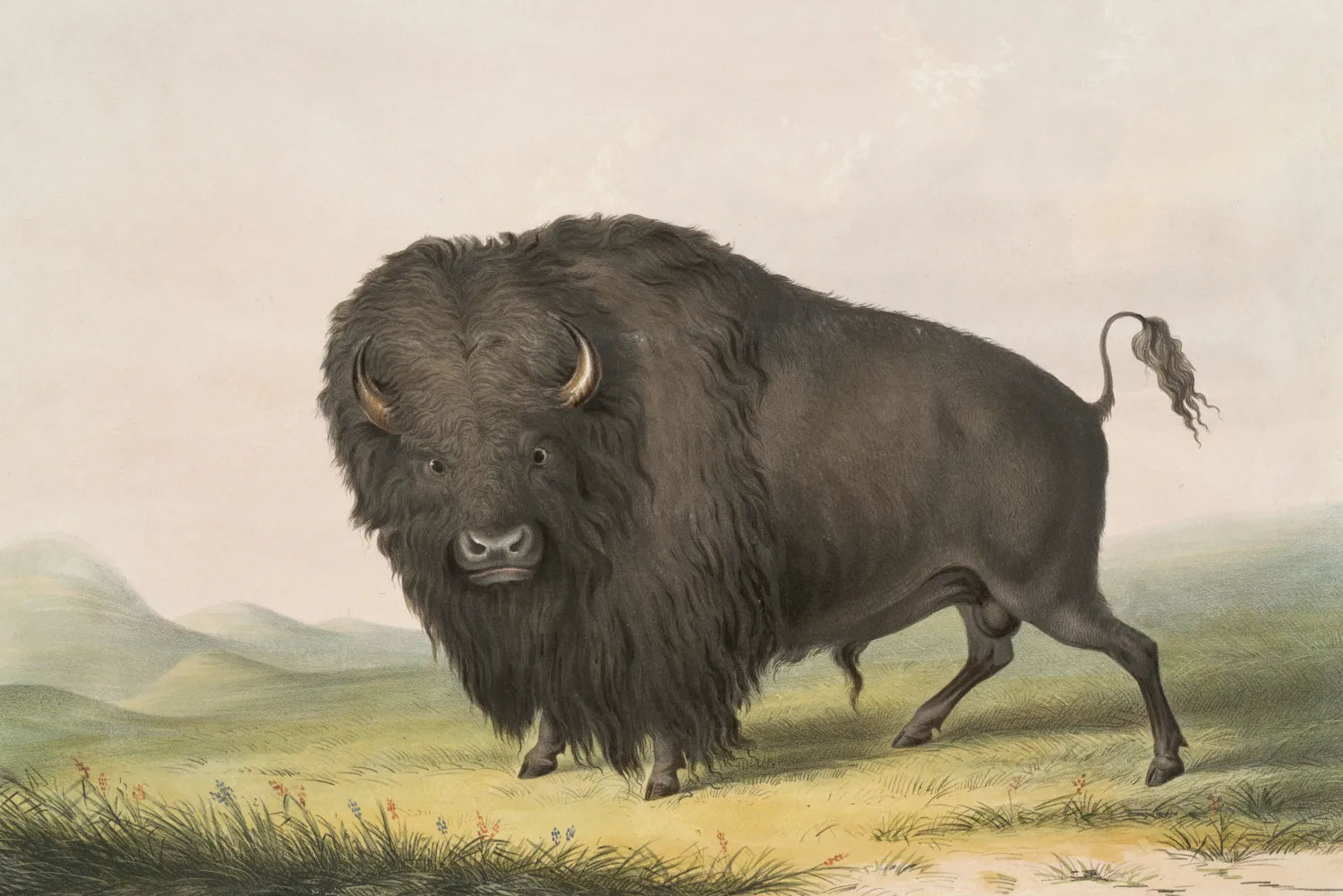
Blean Woods, Kent
Woodberry Wetlands, London
Approach: A Victorian reservoir transformed into a public nature reserve in 2016. The site is home to diverse wildlife, with a focus on wetland habitats.
Key Species: Reed warblers, kingfishers, and a variety of waterfowl.
Community Role: Provides free access for birdwatching, walking, and environmental education to locals.
Woodberry Wetlands
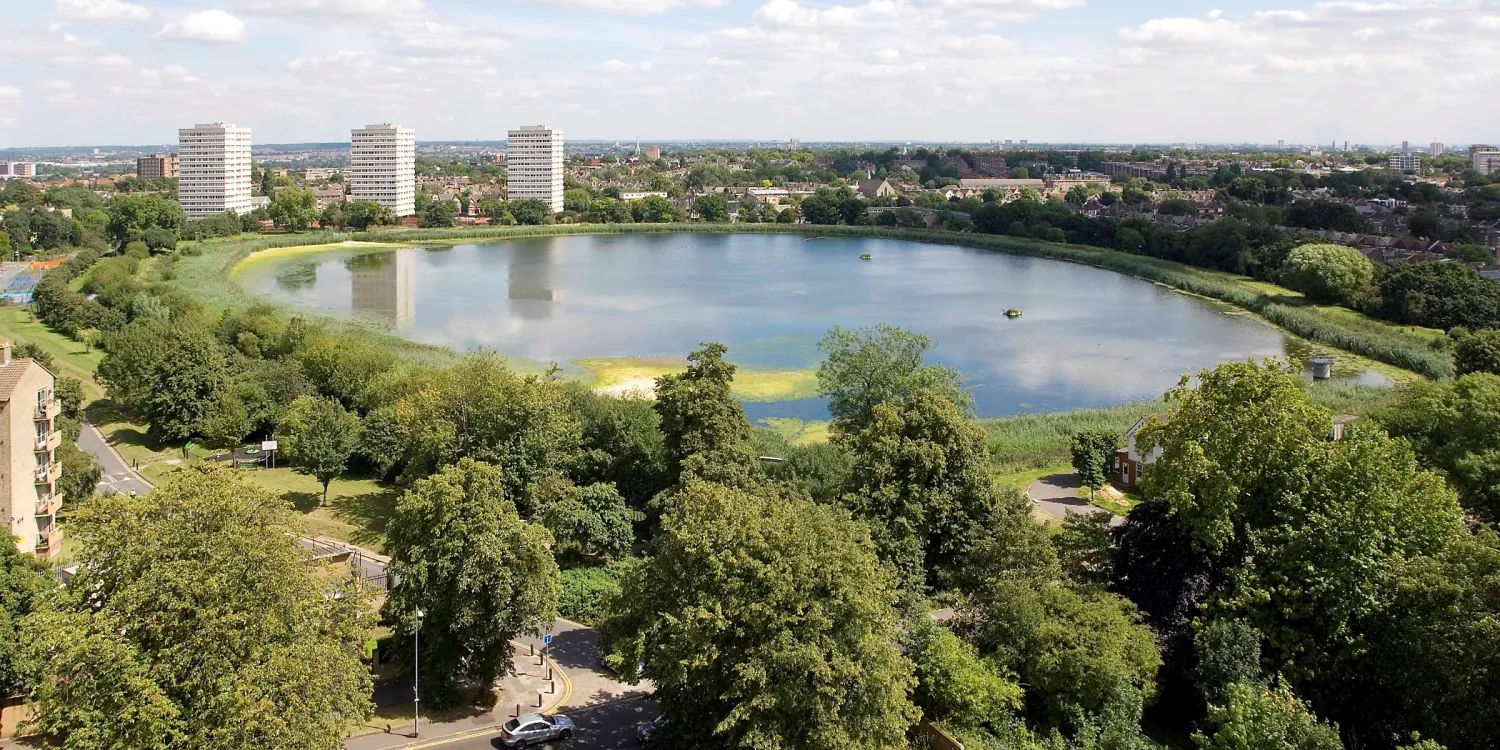
Woodberry Wetlands, London
Rewilding Coombeshead, Devon
Approach: This project, located between Dartmoor and Bodmin Moor, integrates wildlife restoration with farming practices, including a captive breeding program for species like wildcats, beavers, and water voles.
Key Species: Wildcats, beavers, water voles.
Community Role: Promotes nature-based tourism, farming, and conservation education.
Rewilding Coombeshead
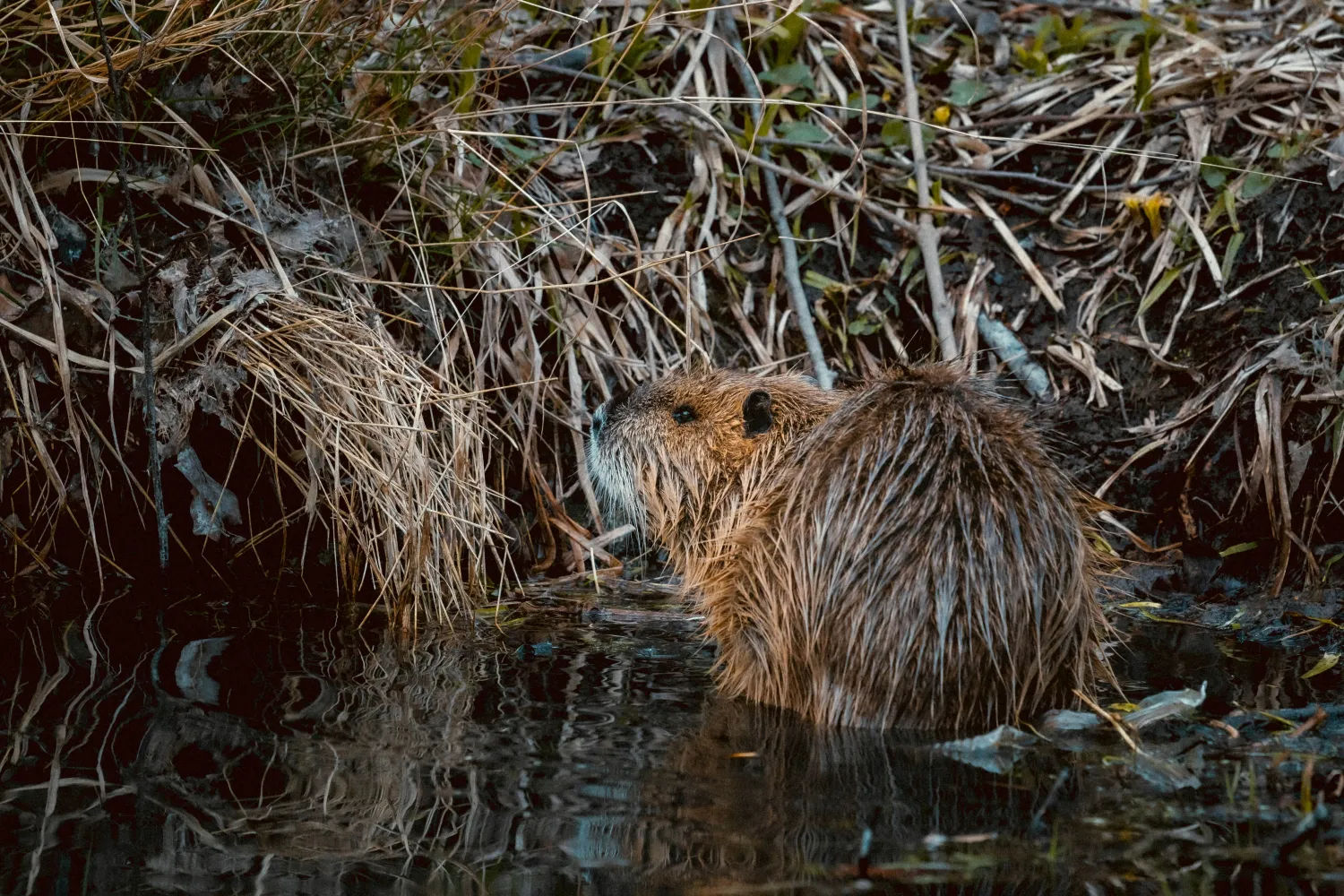
Rewilding Coombeshead, Devon
xRewilding Britain’s Network of Projects
Overview: Rewilding Britain supports a vast network of rewilding projects across the UK, from small community-led initiatives to large-scale landscape restoration efforts.
Key Features: The network focuses on combating climate change, restoring biodiversity, and creating sustainable, nature-based economies.
Rewilding Britain
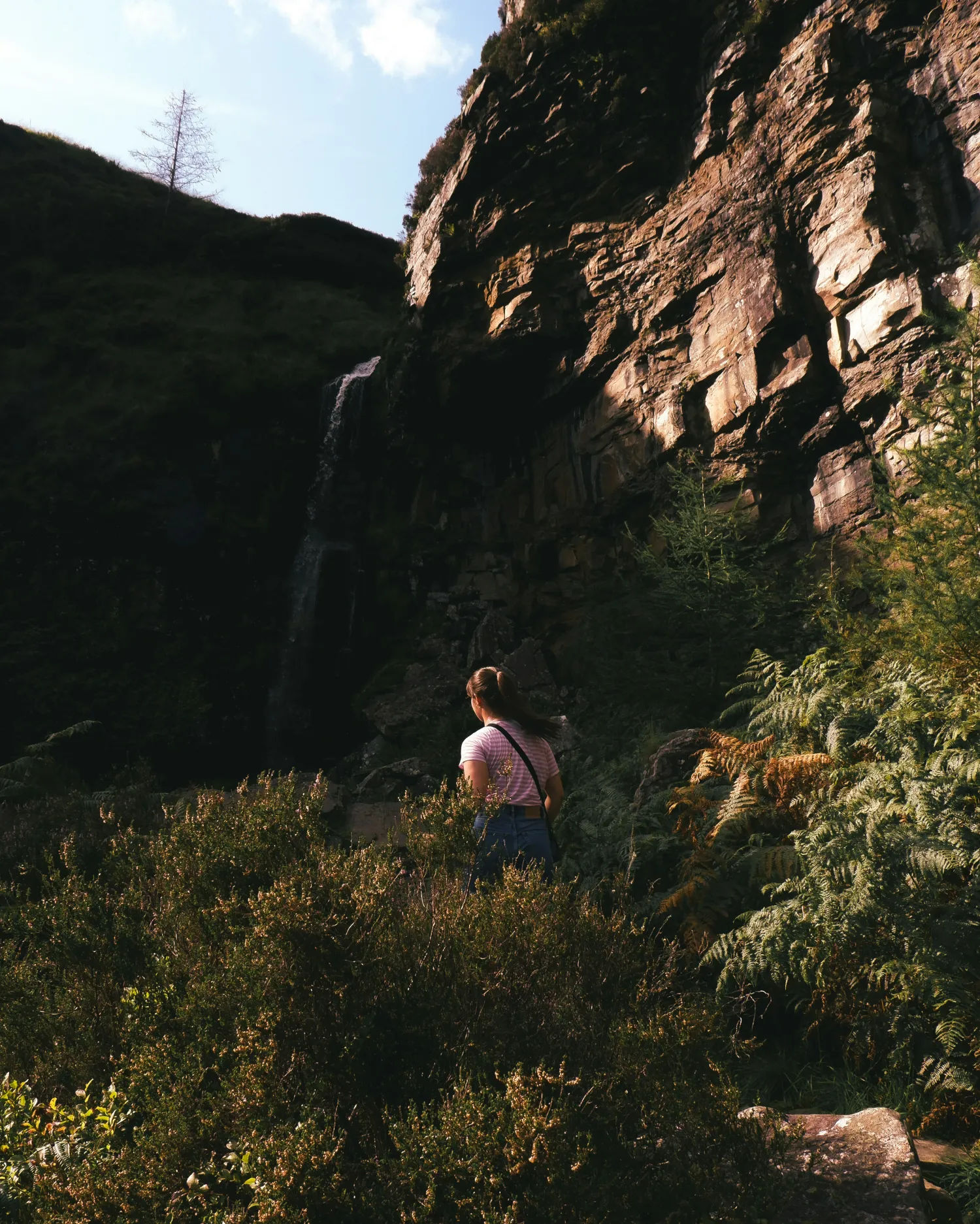
Rewilding Britain’s Network of Projects
As these projects illustrate, rewilding isn’t merely about letting nature run wild. It’s about rediscovering a balance that was lost. From the vast expanses of Knepp Estate to the urban oasis of Woodberry Wetlands, each site tells its own story of renewal. Some showcase nature’s dramatic comeback, with wolves and bison returning to British soil, while others celebrate quieter victories: the return of a butterfly species or the first cuckoo call heard in decades.
What binds these diverse projects together is partly their ecological success and partly the way they’ve woven themselves into the fabric of their communities. Where once stood unused land or intensive farmland, we now find places of learning, of wonder, and of connection. Village schools venture out to spot kingfishers at restored wetlands. City dwellers find solace in woods where bison now roam. Volunteers plant trees that their grandchildren’s children will sit beneath.