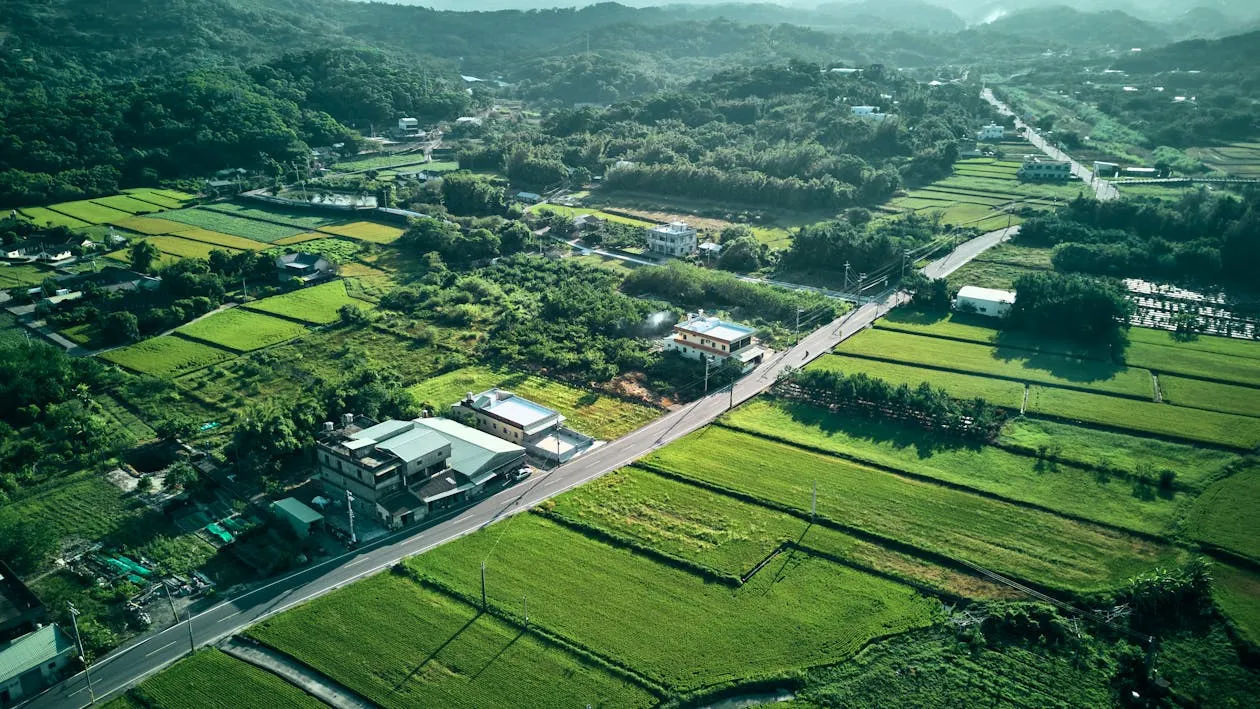
High-security fencing from Barkers
Invisible fence security systems offer a unique approach to securing properties without obstructing the view or compromising the aesthetics of the landscape. This blog explores the benefits and limitations of these innovative systems and how they can be effectively integrated into a broader perimeter security plan.
While invisible fences are ideal for certain settings, they cannot physically deter intruders, making them best suited as part of a comprehensive security strategy that includes physical barriers like palisade or mesh fencing.
What is an invisible fence security system?
Instead of metal or concrete structures, these systems rely on sound waves, sensors, and detection technology to create an invisible boundary around a property or site.
Invisible fence security systems may be required in environments where maintaining the aesthetics of the landscape is essential or where physical fencing may be impractical. These systems are often found in wildlife management to deter animals from entering certain areas or as a supplemental layer of security in extremely high security commercial, industrial, or residential properties.
While these systems provide an innovative way to monitor and protect a space, they do not physically block access, meaning they’re typically used as part of a broader security strategy, such as an addition to physical security fencing or CCTV.
Types of invisible fence security systems
The most common types of invisible fencing systems include:
Infrared systems: These use infrared beams to create an invisible perimeter. If the beam is broken, an alarm is triggered. Infrared systems are ideal for environments where a discreet, cost-effective security solution is needed, such as residential properties or low-traffic industrial sites.
Sound wave systems: Using ultrasonic or low-frequency sound waves, these systems can detect movement or disruptions within a set boundary. Often used for wildlife deterrence, sound wave systems are commonly deployed in environmentally sensitive areas where physical barriers are undesirable.
Magnetic feld systems: These systems generate a magnetic field that, when disrupted, triggers an alarm. Magnetic field systems are typically used in high-security environments where detecting the slightest intrusion is critical, such as in military or critical infrastructure settings.
How invisible fence systems work with different security levels
In low-risk areas, such as residential properties or public parks, these systems are often configured to detect basic intrusions, providing an early warning without overwhelming security measures. A simple detection system using infrared or sound waves may be sufficient to alert homeowners or property managers of potential intruders.
In contrast, high-security industrial or commercial properties require more advanced configurations. For these environments, invisible fence systems can be combined with multi-layered detection technologies, such as magnetic fields or integrated motion sensors. These systems are often linked to central control rooms, triggering immediate alerts and automated responses like activating cameras or deploying additional security measures.
Benefits of an invisible fence security system
One of the primary advantages of an invisible fence security system is its ability to secure an area without disrupting the visual appeal of the landscape. Unlike traditional security fences, these systems are invisible, making them ideal for settings where aesthetics matter.
Invisible fence systems are also highly innovative, offering modern technology solutions that can be integrated with other security measures. Their advanced sensors can detect movement and trigger alarms, allowing for real-time monitoring of the perimeter.
Limitations of an invisible fence security system
While an invisible fence security system offers many modern benefits, it has significant limitations, particularly in its inability to physically deter or delay intruders.
Unlike traditional fences made of steel, invisible fence doesn’t provide a visual barrier to stop or slow down someone attempting to gain unauthorised access. Intruders may not be discouraged from approaching the perimeter, knowing that there is no actual physical barrier in place to stop them.
Additionally, these systems require regular maintenance and can sometimes be affected by environmental factors such as weather, dense foliage, or wildlife interference.
For high-security environments, relying solely on an invisible fence security system is not advisable, as it cannot offer the same level of protection as traditional, reinforced fencing solutions.
Maintenance and durability of invisible fence systems
Unlike physical fences, invisible systems don’t suffer from physical wear and tear, but they can experience issues related to environmental factors. For example, weather conditions such as heavy rain, snow, or fog can interfere with infrared and sound wave-based systems, potentially reducing their detection capabilities.
Regular system checks are important to prevent malfunction. This includes testing sensors, ensuring proper alignment of infrared beams, and inspecting control units for any damage or interference.
With proper care, an invisible fence system can provide reliable perimeter security for many years.
The importance of physical security in perimeter solutions
Physical barriers, such as high-security fencing, like SecureGuard SL2X, serve as a first line of defence by delaying or preventing unauthorised access.
Unlike invisible fences, which can detect movement but do not physically stop an intruder, traditional fences create a tangible obstacle that is much harder to bypass, making them essential for high-risk areas like industrial sites, data centres, and critical infrastructure.
The visibility factor is another key consideration in physical security. Some sites require permeable visibility - where those inside can see out while monitoring intrusions effectively. In high-security settings, the density of the materials used in fencing plays a crucial role.
Typically, the more steel a fence contains, the stronger and more impenetrable it becomes, although this often reduces visibility. For example, palisade fencing with widely spaced pales offers more visibility but less delay in an intrusion, while mesh fences with small apertures are harder to breach but reduce line-of-sight.
Ultimately, balancing the need for visibility and physical security is crucial when designing an effective perimeter solution.
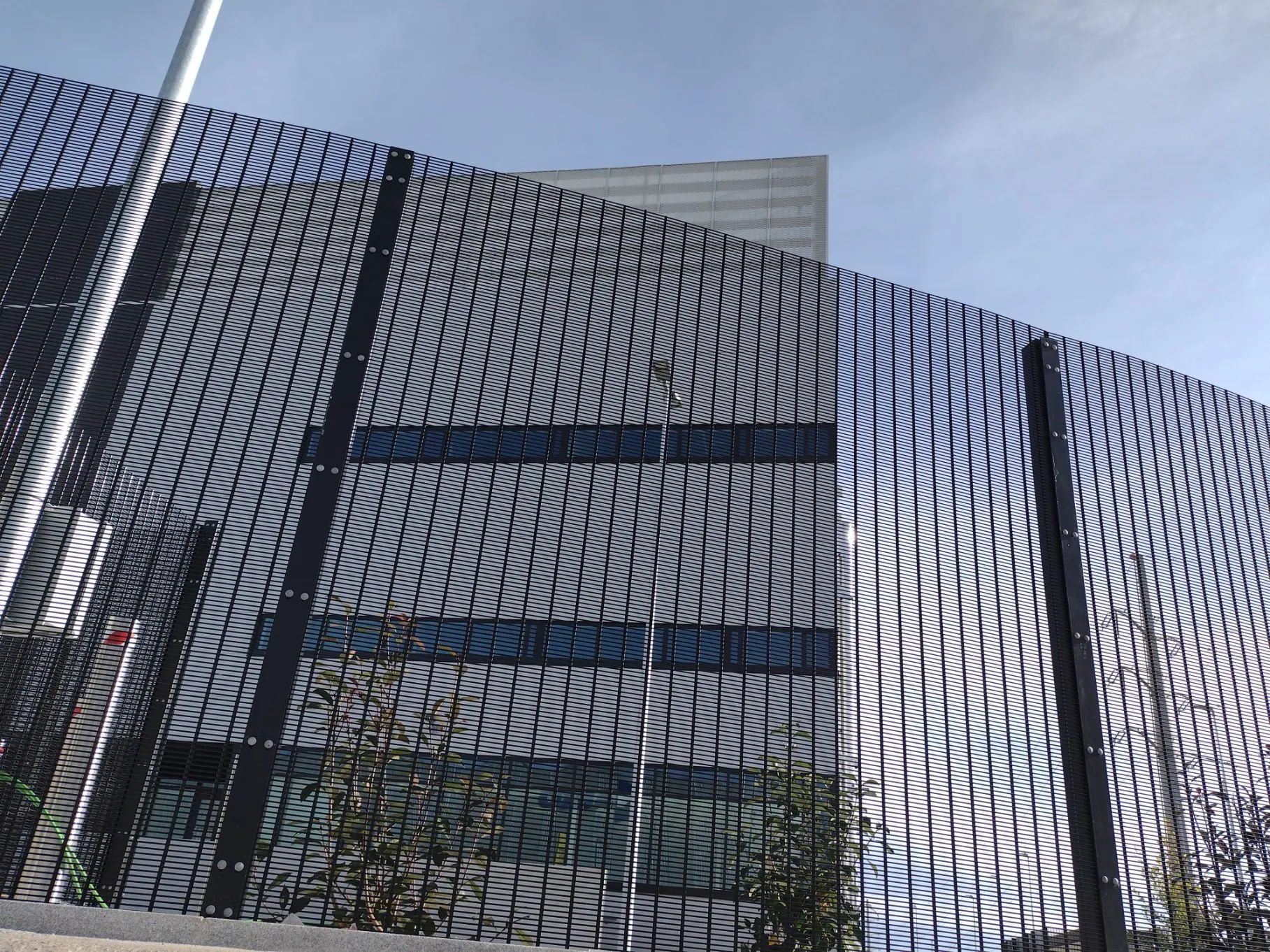
SecureGuard SL2X mesh security fencing
Comparing costs: invisible fence vs traditional security fencing
When comparing the costs of invisible fence security systems and traditional physical fencing, both initial installation and long-term expenses must be considered. Invisible fences often have a lower upfront cost, as they don’t require the materials and labour associated with building a physical structure.
However, maintenance costs for invisible fence systems can be higher over time, particularly due to environmental interference, regular system checks, and potential repairs to the electronics.
In terms of long-term savings, invisible fence systems can offer advantages in low-risk environments, while physical fences provide more reliability and durability in high-security areas, potentially saving on emergency repairs and replacements.
Enhance your security with a custom solution
An invisible fence security system can be a valuable part of your security strategy, but it’s essential to understand its role within a comprehensive perimeter solution.
If you’re considering integrating an invisible fence with traditional security measures, like palisade or mesh fencing, contact Barkers to explore the best options for your needs and receive a tailored quote.
Frequently asked questions
What are the different types of technologies used in invisible fence systems?
Invisible fences can utilise technologies like infrared, sound waves, or magnetic fields to detect movement or breaches, each suited to different applications.
Can invisible fence systems be installed in any environment?
While they are versatile, invisible fences may not be suitable for areas with dense foliage, extreme weather, or significant wildlife interference.
How reliable are invisible fences in detecting intruders?
Invisible fences are generally reliable but may have limitations in adverse weather conditions or when used near certain materials that can block or distort signals.
Do invisible fences pose any risks to people or animals?
Depending on the technology used, some invisible fences could pose risks to pets or wildlife, such as electric shocks or sound frequencies.
Can an invisible fence system be customised for specific security needs?
Yes, invisible fences can be tailored with different sensors and settings to fit specific property requirements and security levels.
What is the typical lifespan of an invisible fence security system?
The lifespan can vary based on technology, usage, and maintenance, but with proper care, most systems are designed to last several years.