42 minutes away from Furnitubes' head office, at a leisurely, lazy wander through the streets of London, 213 acres of land have stood as a monument to public health.
Dreamed of in 1839 on the theory – and a massive public petition to the Queen – that a green area in the East End would both diminish needless death, and increase the livelihood of the population of the borough, the park opened in 1845 to grand celebration.
It has maintained its singular duty as a protector of the peoples’ health since, in every role that health takes.
The people’s park as protector
The year is 1839
Cholera rages in the streets of London, and people live in overcrowded areas with no access to clean drinking water and nowhere to go after back-breaking work at the factories. The park is yet a palace residence, owned and lived in by Bishop Bonner and the Bishops of London. Gravel and clay had taken over the ground, and the area had undergone significant changes that fit into the history of London’s expansion up until then.
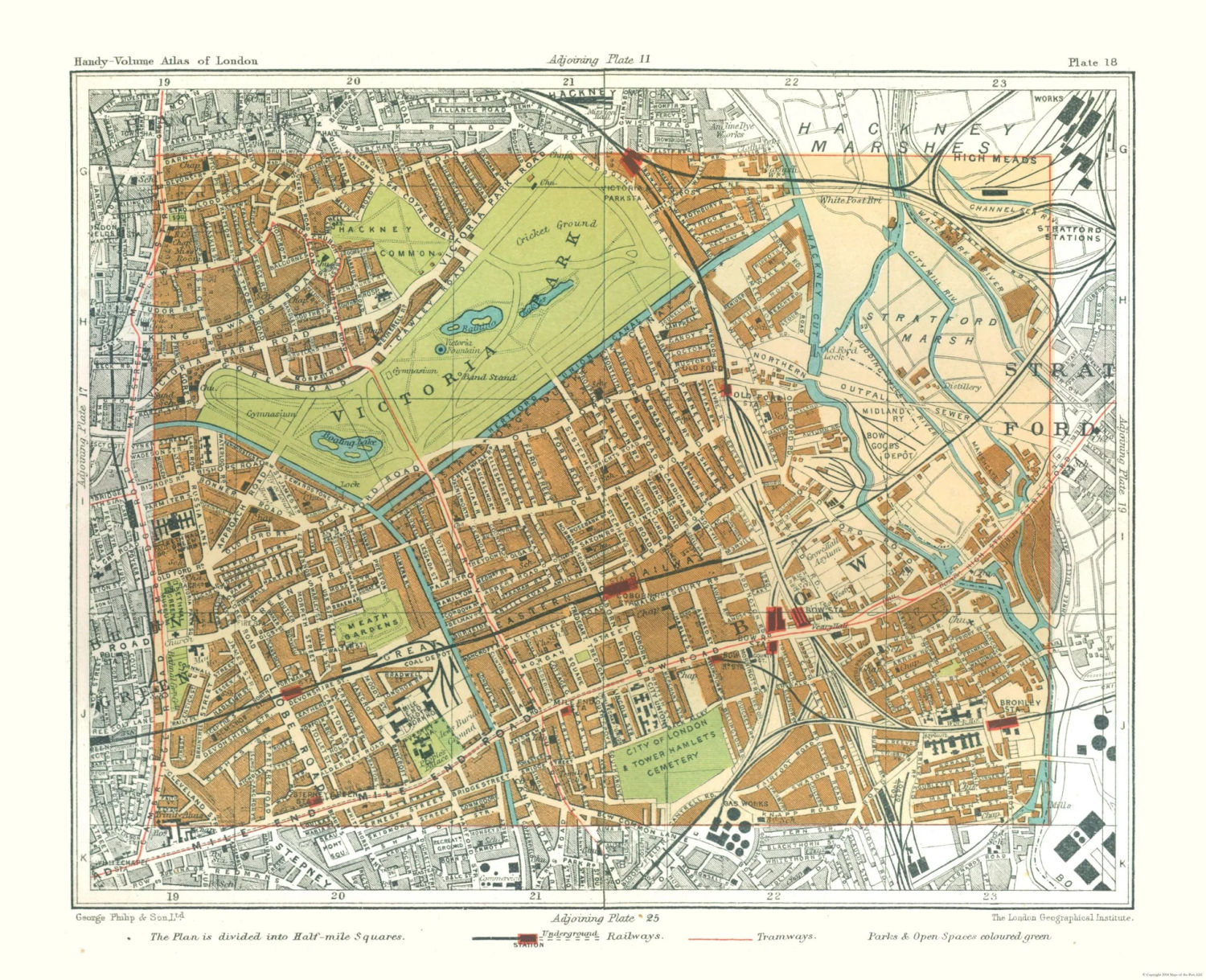
That year, William Farr, an epidemiologist and medical statistician, wrote the first ever census of births and deaths of the year. As a concluding remark, he added, “A park in the East End of London would probably diminish the annual deaths by several thousands… and add several years to the lives of the entire population.”
Things moved quickly after that. Within two years, a plan had already been drawn, developed by James Pennethorne, student of John Nash who had previously designed and developed Hyde Park. The Bishop’s Palace which had paved over the area, and gutted the place for gravel and clay, was removed. To facilitate clean water, the Baroness Angela Burnett Coutts donated a pink marble drinking fountain, providing the East End residents with their first infrastructure of clean water.
Ponds were planned, flowers were included, spots to sit and lounge were created in their dozens – but none of these were in place. Desperate for greenery and in need of a place that was not the overcrowded and cramped rooms of the city, people began frequenting the park prior to its official opening in 1845, gathering on the green and by the undug ponds, by the pathways yet to be bordered with flowers.
More than a place of restoration, it also served as a place of community: Speakers’ Corners, built into the park to facilitate public engagements, were taken over weekly by speakers such as William Morris, a socialist and textile designer, and Annie Besant, part of the woman’s rights movement. When the park was shuttered in World War II, its absence was sorely felt, and the damage left behind by the bombing destroyed most of the features original to it, such as the Palm House and the Pagoda.
But it was not the end
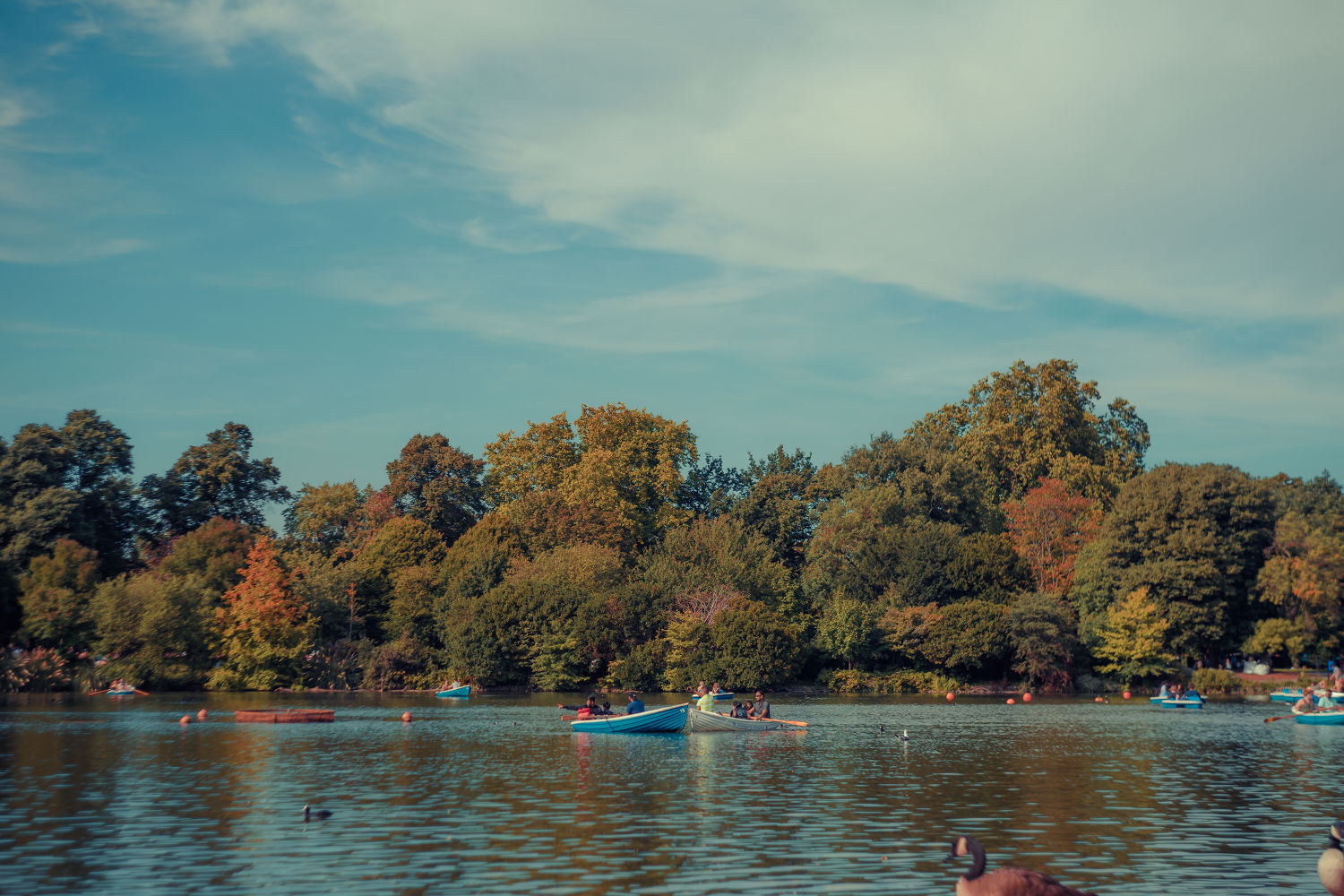
The year is 1986. Tower Hamlets and Hackney form part of the joint management board of the running of the park. Restorations happen slowly, but they happen, the damage carefully buffed out with newness.
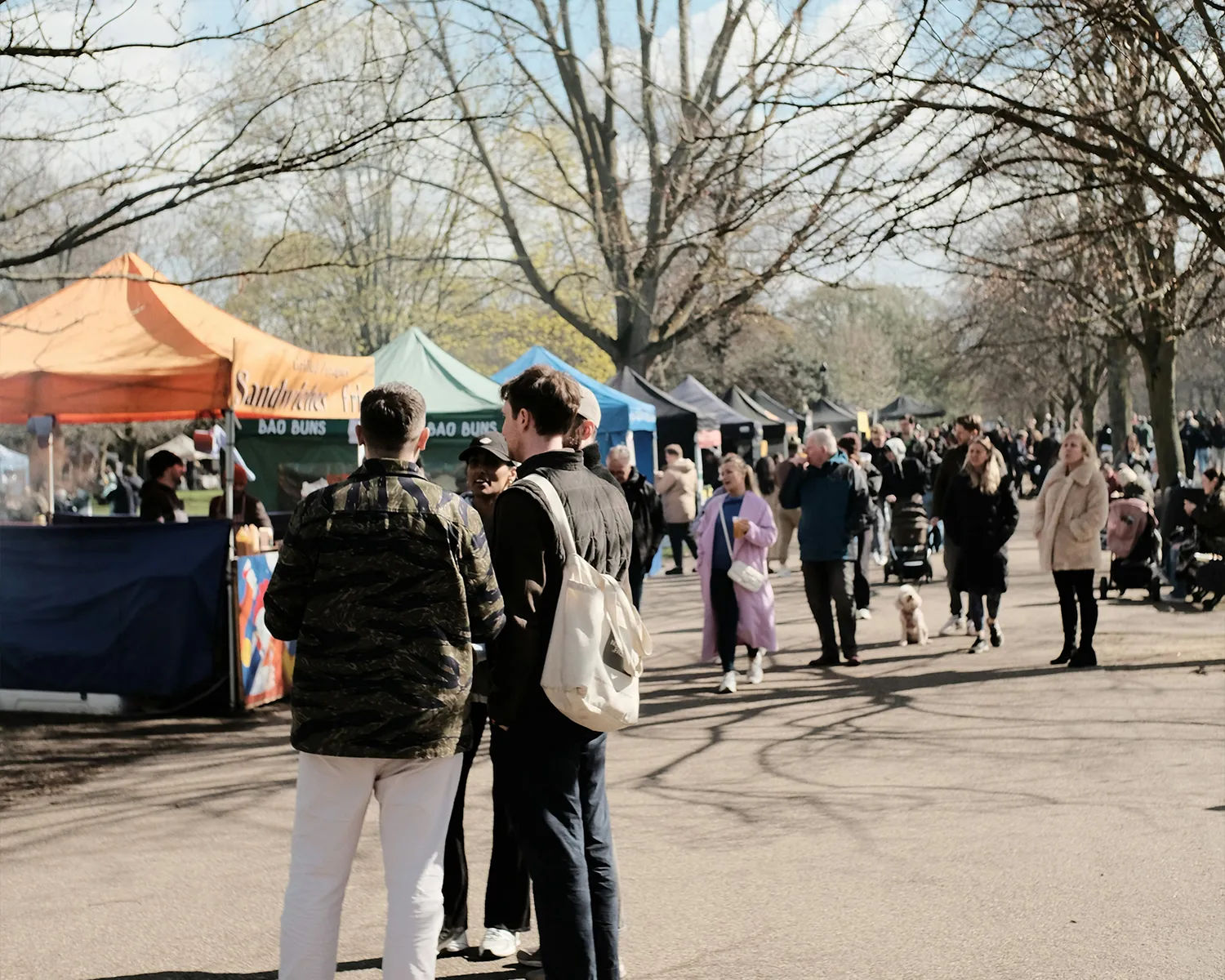
Over the years, it gains a reputation for art: open-air music festivals, theatre re-enactments, model boat club meet-ups. For the under-fives, there is a children’s paddling pool. Cricket, organised by the community cricket club, echoes over the park every summer evening. Open daily from the first lash of light at 7am to the dipping orange dusk, there are always people in Victoria Park.
The benefits of a green life
The other name for Victoria Park is the People’s Park, and it set a precedent.
Prior to the 1800s, the only managed greenery available was nature reserves and hunting lands owned by noble families, and typically far removed from the urban centres of the working class. These were privately owned grounds, fenced off to prevent public access. What we call the Royal Parks today are a good example of this: once, they were hunting grounds, owned by the kings and queens of the country, full of fallow deer and pipistrelle bats, foxes and sleepy, spiky hedgehogs, insects and nesting birds and shire horses that now only number 2000 in total. Nobles would ride wild in the forests, taking home braces of pheasants and beautiful, soft-furred foxes, accompanied by hunting dogs immortalised in paintings that now hang in the galleries.
Over time, new additions were made to the parks: greenhouses to grow herbs and exotic plants, flowers to rib the borders of the pathways, intended to create a space that was both beautiful and functional. Lakes were dug out and filled with fish, places for wildlife to drink from. Lovers lanes, hemmed in by park benches, saw strolling nobles meet.
Industrialisation shifted the focus of parks away from serving the few to the many. London grew, and it grew fast, taking over entire streets and city blocks. For many people, the inclusion of public access to the parks was the first greenery they could avail themselves of for miles.
Parks enabled a balance that the industrialisation of London removed over the years. People pressed into working in the city had already given up their lives in the outer villages to move for work, and the reputation of the rough city streets was partially because of the living conditions in the citadel itself. The introduction of a public park was as much to limit growing discontent and violence as it was a health practice: with access to water and the restorative elements of nature, people were less inclined to rebel and ruin.
This is what led to the modern park – the understanding that, as humans, we need a place to go where we can rest back with nature, a place that asks nothing of the people looking for peace.
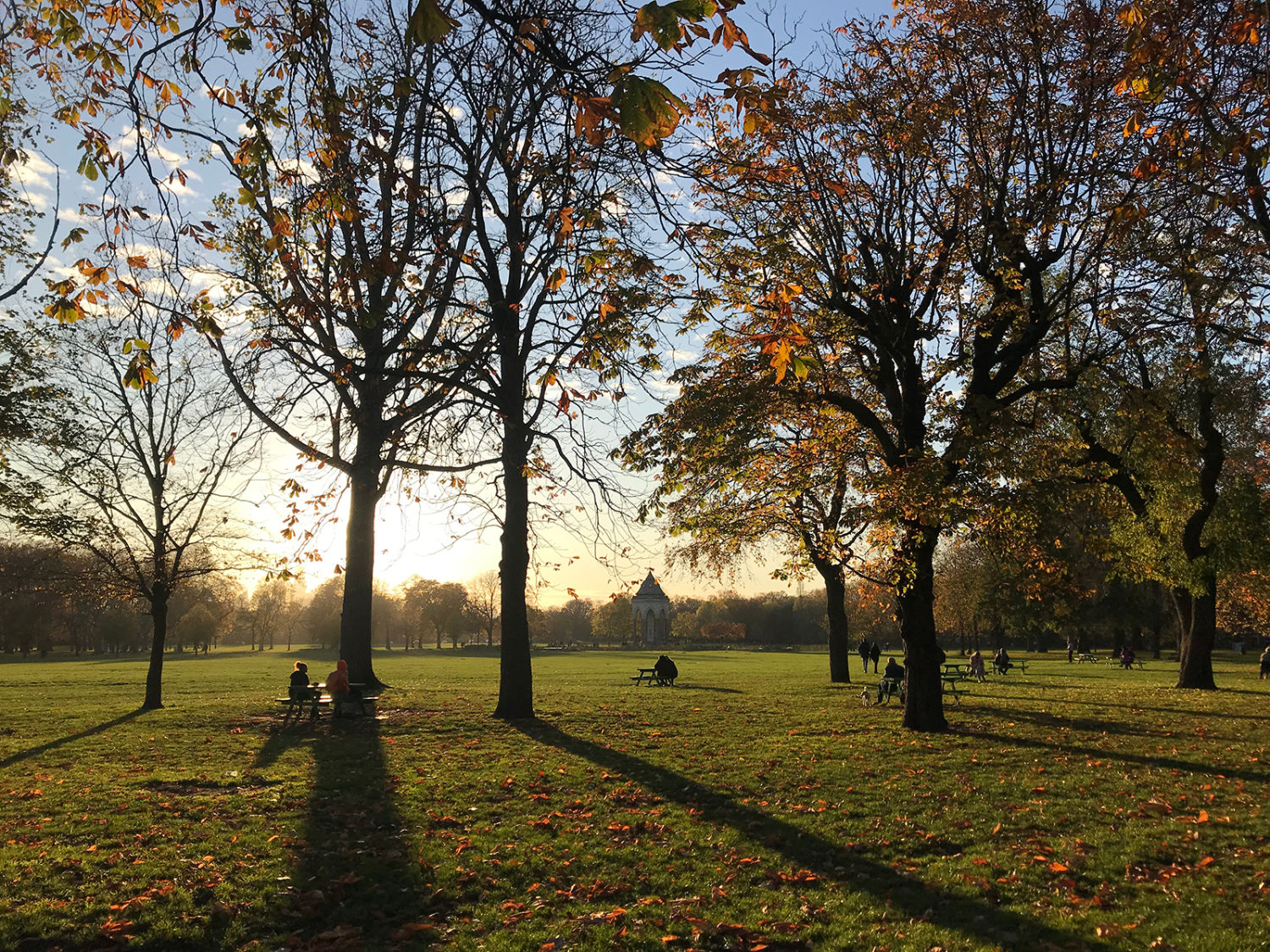
And we have needed peace, especially in the last few years or so. When the COVID pandemic shut all other public spaces, and reduced our living quarters to a few square metres of house and home, many sought relief in public parks and in walking, to restore our sense of self – and in doing so, made parks once more the vanguard of public health, providing a way to stay healthy when every other possibility was shut off.
It’s true that the COVID-19 pandemic has wrought many other changes on the way we live and work, but the one thing that it has highlighted most succinctly is the importance of green spaces in our lives. Look at any pictures, speak to anyone about what they were doing at the time, and it’s sure to lead with, ‘well, I went to the park’.
The future of parks
Humans are an effusive force. Wherever they go, they shape the world around them, envisioning and creating spaces. When cared for, these spaces are nurtured and developed to keep up with the way we consider the world.
Furnitubes benches have solar power now: they run on a few hours of sunlight a day, from a tiny battery strip set into blond, bright wood. Wherever you go in nature, you can access the internet, provided that the work to enable access has already been done.

But the greatest change in human experience is our park systems, and how they adapt to a population that is ensconced in an environment of staggering, fantastical change. In all this change, public parks have remained a constant, and the adaptations made to them to better service us are gentler ones: longer opening hours, accessible pathways, a place to go where there is nothing to do but lounge.
And despite near on three hundred years of total and radical change, the promise of the public park as a resting place has remained the very same as when, once, an anonymous poet wrote, ‘The park is called the People’s park, and all the walks are theirs’.