In horticultural practice, creating the optimal growing environment for plants is essential to promote healthy growth. One crucial aspect of this process is selecting the appropriate soil materials, like rootzone, fine subsoil and medium/coarse washed sand. It’s not just soil. Each of these materials serves distinct purposes in horticulture. So, understanding when and how to use them is key to achieving successful plant cultivation.
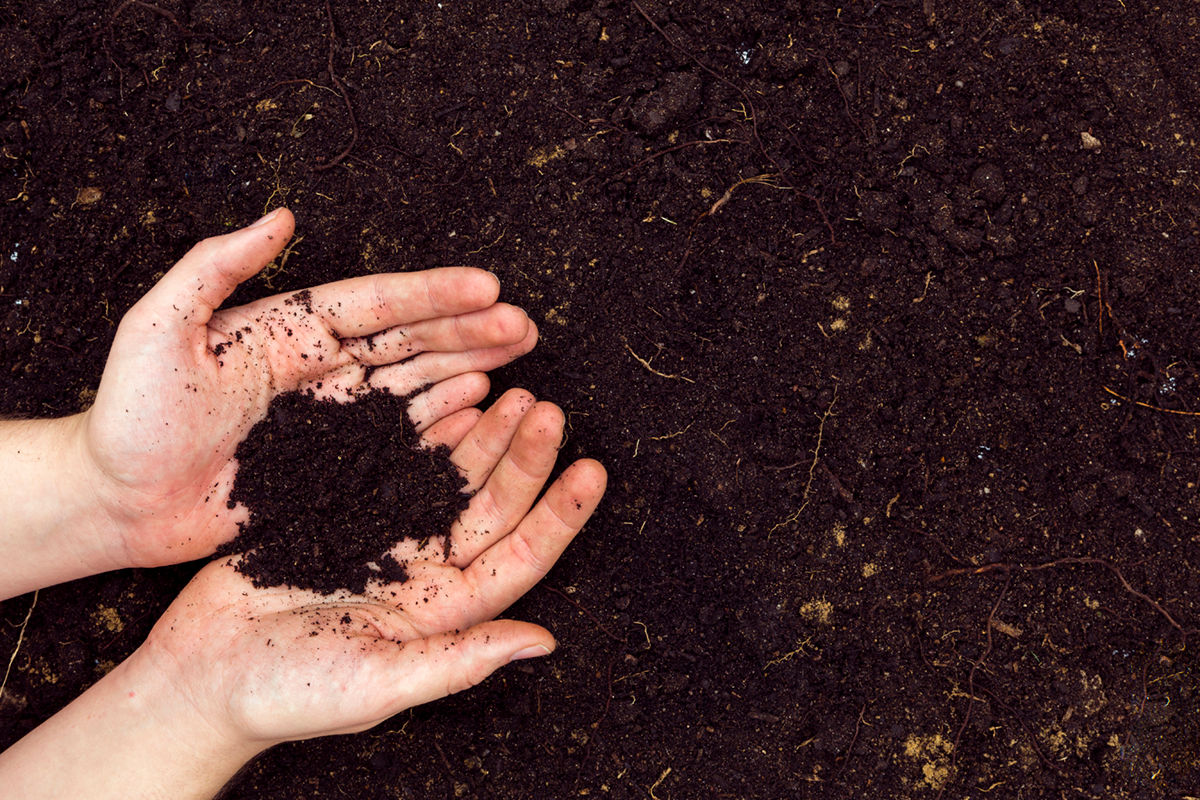
Rootzone, often referred to as topsoil or loamy soil, plays a vital role in supporting plant establishment and growth. It typically consists of a mixture of organic matter, sand, silt, and clay. Its commonly used in:
Landscape Development: When establishing lawns, flower beds, or vegetable gardens, rootzone serves as a foundation layer. It provides an ideal medium for plants to extend their roots, access nutrients, and develop a robust root system.
Turf Management: In sports fields, golf courses, and other areas where turf quality is crucial, rootzone is used to build the top layer. Its balanced composition supports water retention, nutrient availability, and aeration, promoting healthier grass and improved playing surfaces.
Plant Containers: Rootzone is also used in pots and containers. Potted plants rely on the soil mixture for adequate drainage, nutrient uptake, and root development. The right balance of organic matter and minerals supports plant health in a limited root space.
Normally beneath the rootzone - fine subsoil, also known as sandy loam or loamy sand, differs from rootzone in its particle size distribution. Primarily it consists of sand, silt, and clay but with a higher proportion of sand particles. Fine subsoil is commonly used in:
Landscape Drainage: In areas prone to waterlogging or poor drainage, incorporating fine subsoil into the soil profile can improve overall water movement. Its sandy nature promotes faster water infiltration and percolation, preventing waterlogging and minimising the risk of root rot.
Sports Field Construction: Fine subsoil is commonly used as the foundation layer for sports fields, especially in areas where heavy rainfall is a concern. Its improved drainage properties help maintain a stable playing surface and prevent puddles or muddy conditions.
Building Foundation Landscaping: When landscaping around buildings or structures, fine subsoil can be used to create an adequate buffer zone. Its well-draining capability helps divert water away from the foundations, minimising the risk of moisture-related issues like basement flooding or structural damage.
Medium and coarse washed sand is characterised by larger sand particles and offers unique advantages in horticultural applications. Here are some instances where this material is commonly employed:
Hydroponics and Soilless Culture: In hydroponic systems or soilless growing where plants are cultivated without traditional soil, medium/coarse washed sand is often. It promotes excellent drainage and aeration while allowing the roots to access water and nutrients.
Construction of Sand-based Root Zones: Certain sports, like golf or football need specialised playing surfaces with specific characteristics. Sand-based root zones, constructed using medium/coarse washed sand, provide exceptional drainage, stability, and root development.
Cacti and Succulent Cultivation: Due to their low water requirements and sensitivity to excess moisture, cacti and succulents benefit from growing in well-draining mediums. Medium/coarse washed sand provides the necessary drainage and aeration, preventing root rot and other moisture-related issues.
Choosing the right soil materials is crucial for successful horticultural practices. Rootzone, fine subsoil, and medium/coarse washed sand each play a vital role in creating an optimal growing environment for plants. Rootzone supports plant establishment and growth, fine subsoil enhances drainage and stability, while medium/coarse washed sand ensures optimal aeration and drainage. Understanding when to use each material allows gardeners and horticulturists to tailor their growing conditions and promote healthy plant development. By harnessing the strengths of these materials, we can unlock the full potential of our gardens, landscapes, and sports fields.